Precision Agriculture
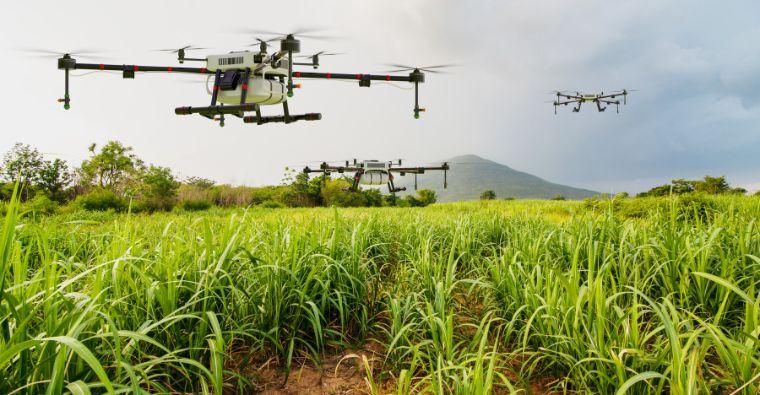
Precision agriculture represents a revolutionary approach that leverages technology to optimize field-level management regarding crop farming. By using GPS, sensors, and data analytics, farmers can gather real-time information about soil health, moisture levels, and crop conditions. This data-driven approach enables them to make informed decisions about when and how to plant, irrigate, and harvest crops.
For example, drones equipped with advanced imaging technology can monitor crop health from above, allowing farmers to identify issues such as pest infestations or nutrient deficiencies early on. This targeted intervention not only reduces waste and increases yields but also minimizes the environmental impact of farming practices.
Automation and Robotics
The rise of automation and robotics in agriculture is transforming traditional farming methods. Robotic systems are now being employed for various tasks, including planting, weeding, and harvesting. These machines can operate around the clock, significantly increasing efficiency and reducing labor costs.
For instance, autonomous tractors can navigate fields without human intervention, equipped with sensors that allow them to adjust their operations based on real-time data. Additionally, robotic harvesters are capable of picking fruits and vegetables with precision, reducing the need for manual labor and minimizing crop damage.
Biotechnology
Biotechnology has opened new avenues for agricultural growth through the development of genetically modified organisms (GMOs) and biopesticides. GMOs are engineered to enhance desirable traits such as pest resistance, drought tolerance, and improved nutritional content. This innovation not only helps farmers increase their yields but also supports food security in regions affected by climate change.
Furthermore, biopesticides derived from natural materials provide a sustainable alternative to chemical pesticides, reducing the environmental impact of farming while effectively managing pests and diseases.
Internet of Things (IoT) in Agriculture
The Internet of Things (IoT) is revolutionizing farming practices by enabling farmers to connect various devices and systems through the internet. Smart sensors placed in fields can monitor environmental conditions, such as temperature, humidity, and soil moisture levels, providing farmers with valuable insights into their operations.
IoT technology allows for remote monitoring and control of irrigation systems, ensuring that crops receive the right amount of water at the right time. This not only conserves water resources but also enhances crop growth and overall productivity.
Sustainable Farming Practices
As the focus on sustainability grows, technology is facilitating the adoption of eco-friendly farming practices. Innovations such as vertical farming, hydroponics, and aquaponics are gaining popularity in urban agriculture, enabling food production in limited spaces while using significantly less water and land.
Moreover, precision farming techniques contribute to reducing chemical inputs, promoting biodiversity, and enhancing soil health. By integrating technology with sustainable practices, farmers can grow crops in a way that preserves natural resources and protects the environment.
The integration of technology in agriculture is driving significant growth and transformation in the sector. Innovations in precision agriculture, automation, biotechnology, IoT, and sustainable practices are enhancing productivity, efficiency, and sustainability. As these technologies continue to evolve, they offer promising solutions to the challenges facing modern agriculture, ultimately contributing to global food security and environmental sustainability. Embracing these advancements will be essential for farmers to thrive in an increasingly complex and demanding agricultural landscape.