The AI-Powered Workplace Has Arrived
From predictive analytics in boardrooms to chatbots in customer support, artificial intelligence is no longer an experiment—it’s a core part of the modern workplace.
Whether you're a startup founder, HR manager, or remote team leader, understanding how AI is shaping daily operations, decisions, and culture is crucial to staying competitive in 2025.
1. Automating Repetitive Tasks: From Tedious to Seamless
One of AI’s biggest advantages in the workplace is handling repetitive, rule-based tasks that waste human time and talent.
Examples include:
- Automating email sorting and replies
- Data entry and document generation
- Invoice processing and expense tracking
- Scheduling meetings and reminders
Tools like Zapier, Notion AI, and Microsoft Copilot are already in wide use.
2. AI-Powered Virtual Assistants and Chatbots
From Slack integrations to voice-controlled tools, AI assistants are becoming your 24/7 digital teammates.
- Customer support bots handle common queries without human agents
- Internal bots answer HR or policy-related employee questions
- Tools like Jasper AI and ChatGPT assist in writing reports, proposals, and emails faster
3. Smart Hiring with AI in HR
AI is transforming the hiring process by:
- Screening resumes based on skill match
- Shortlisting candidates using predictive algorithms
- Conducting initial video interviews with facial/emotional analysis
- Assessing team fit using psychometric AI tools
Platforms like HireVue, Zoho Recruit, and LinkedIn Recruiter AI are streamlining HR departments globally.
4. Data-Driven Decision Making
AI doesn’t just give you insights—it helps prioritize actions.
With machine learning models analyzing customer behavior, sales trends, and employee performance, companies are making decisions that are:
- More accurate
- Less biased
- Based on real-time insights
Tools like Tableau with AI, Power BI, and Salesforce Einstein lead the way.
5. Personalized Employee Learning and Growth
Gone are the days of one-size-fits-all training. AI curates:
- Personalized learning paths
- Progress tracking dashboards
- Skill gap analyses
- Micro-learning based on job roles
Indian platforms like upGrad and Great Learning use AI to recommend courses tailored to professional goals.
6. Enhancing Remote Work & Collaboration
AI is powering tools that bridge time zones and team gaps:
- Transcribe meetings in real time (e.g., Otter.ai)
- Summarize action points (e.g., Fireflies)
- Suggest follow-ups and next tasks
- Translate languages and detect emotion during calls
These help distributed teams work like they're in the same room.
7. Redefining Job Roles, Not Replacing Them
Contrary to popular fear, AI doesn’t replace jobs—it reshapes them.
AI handles the repetitive or analytical parts, allowing humans to focus on:
- Creativity
- Strategy
- Empathy
- Innovation
Think of it as co-working with a machine, not competing against one.
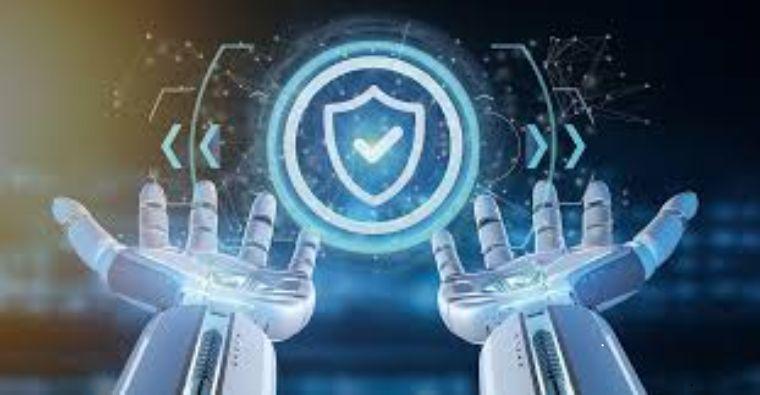
8. Cybersecurity and Compliance Monitoring
AI plays a big role in keeping workplaces safe by:
- Monitoring anomalies in login patterns
- Detecting phishing or fraud attempts
- Automating compliance checks and audit trails
- Providing real-time alerts
Especially in finance, healthcare, and government sectors, AI tightens digital security.
Embrace the Evolution
AI at work isn’t the future—it’s the now. Businesses that adapt to AI-enhanced workflows will not only be more productive but also more resilient and innovative.
By investing in AI tools and fostering a culture of human-machine collaboration, you’re preparing your workforce for a smarter, more agile future.