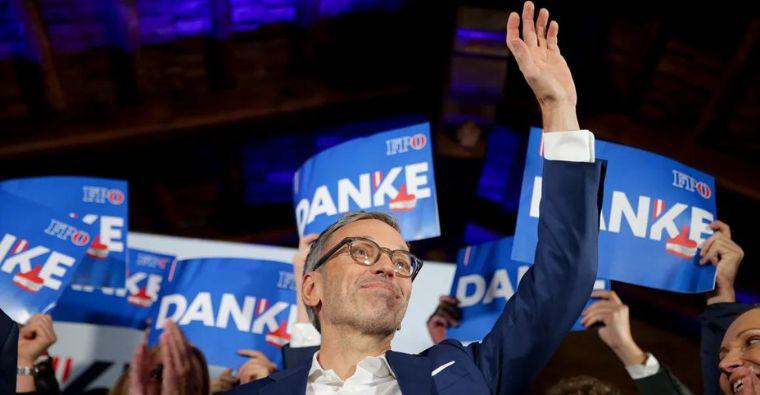
The FPÖ, led by Herbert Kickl, captured a significant portion of the vote, surpassing the center-right Austrian People's Party (ÖVP) and the center-left Social Democrats (SPÖ). This victory marks a dramatic shift in the Austrian political arena, reflecting growing concerns over immigration, national identity, and the economy.
A Surprising Upset
The election campaign was fiercely contested, with the FPÖ promising stringent immigration controls, increased national security, and policies aimed at preserving Austrian culture. These promises resonated with a substantial segment of the electorate, disillusioned by what they perceived as ineffective governance by the traditional parties.
Herbert Kickl, a former interior minister, capitalized on these sentiments, presenting himself as a decisive leader ready to tackle Austria's challenges head-on. In his victory speech, Kickl expressed gratitude to the voters and outlined his vision for a "safe, prosperous, and sovereign Austria."
Reaction from Political Rivals and International Community
The election results have elicited a range of reactions. The ÖVP and SPÖ, both of which have dominated Austrian politics for decades, acknowledged their defeat and vowed to regroup. ÖVP leader Karl Nehammer called for unity and resilience in the face of the changing political climate.
Internationally, the FPÖ's victory has been met with caution. European Union officials and leaders from neighboring countries expressed concern over the potential implications for regional cooperation and integration. Analysts suggest that Austria's shift to the far right could embolden similar movements across Europe, challenging the EU's liberal democratic values.
A New Chapter in Austrian Politics
The Freedom Party's ascent to power represents a significant shift in Austrian politics. Founded in the 1950s, the FPÖ has long been associated with nationalist and far-right ideologies. Its victory signals a broader trend of rising populism and nationalism across Europe, fueled by economic uncertainties and debates over immigration and national sovereignty.
As the FPÖ prepares to form a government, it faces the daunting task of translating its campaign promises into effective policies. The party's stance on immigration and its commitment to Austrian sovereignty will be closely watched both domestically and internationally.
Looking Ahead
Austria now stands at a political crossroads. The FPÖ's victory has the potential to reshape the country's policies and its role within the European Union. Supporters hope that the new government will bring about the change they have long sought, while critics worry about the implications for democracy and social cohesion.
As Herbert Kickl and his party take the reins of power, Austria embarks on a new and uncertain chapter. The coming months will be crucial in determining the direction of the country and its place in the broader European context.