
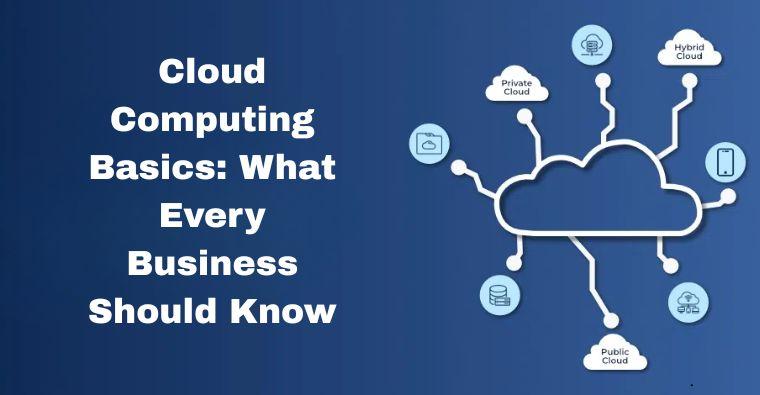
Cloud Computing Basics: What Every Business Should Know
Learn cloud computing basics every business should know. Discover how cloud technology helps reduce costs, improve flexibility, and drive growth.
In today’s digital age, businesses of all sizes are turning to the cloud. Whether it’s storing files, hosting websites, or running applications, cloud computing has become an essential tool for growth and efficiency. But what exactly does “the cloud” mean, and why is it so important for businesses?
Simply put, cloud computing is about using the internet to access computing services—like storage, software, or servers—instead of relying on physical hardware at your office. It’s flexible, cost-effective, and a game-changer for companies that want to stay competitive.
What Is Cloud Computing?
Cloud computing delivers computing resources over the internet. Instead of owning expensive hardware and maintaining it, businesses rent what they need from cloud providers.
- Storage: Save and access files from anywhere.
- Software: Use applications like email or accounting software without installing them locally.
- Servers: Run websites or applications without managing physical servers.
Key Benefits for Businesses
Cloud computing isn’t just a buzzword—it brings real advantages.
- Cost Savings: No need for heavy upfront investments in hardware.
- Flexibility & Scalability: Easily scale up or down based on business needs.
- Remote Access: Employees can work from anywhere with internet access.
- Automatic Updates: Providers handle updates and security patches.
- Disaster Recovery: Data backups and recovery are easier in the cloud.
Types of Cloud Services
Businesses can choose from different models depending on their needs:
- IaaS (Infrastructure as a Service): Virtual servers and storage.
- PaaS (Platform as a Service): Tools to build and manage applications.
- SaaS (Software as a Service): Ready-to-use applications like Gmail or Zoom.
Common Uses in Business
Cloud technology is already part of daily business operations:
- Hosting company websites and e-commerce stores
- Storing large amounts of data securely
- Enabling collaboration with tools like Google Workspace or Microsoft 365
- Running customer relationship management (CRM) software
- Supporting remote teams with virtual desktops and apps
Security Considerations
While the cloud offers many benefits, businesses should pay attention to security.
- Choose reputable providers with strong encryption and compliance.
- Use multi-factor authentication for added protection.
- Regularly back up sensitive data.
Cloud computing is no longer optional—it’s a necessity for businesses that want to grow, adapt, and compete in today’s fast-changing world. By understanding its basics—what it is, how it works, and the benefits it brings—you can make smarter choices for your company’s digital future.
The cloud isn’t just about technology—it’s about opportunity.


Leave a comment
Your email address will not be published. Required fields are marked *