A New Track for India's Future
As India advances towards cleaner, more sustainable transport solutions, hydrogen trains are rapidly gaining attention as a promising alternative to diesel-powered locomotives. With the government’s push for green hydrogen and energy independence, the idea of hydrogen trains operating across India’s vast railway network is no longer futuristic—it’s becoming increasingly feasible.
But could hydrogen trains realistically shape the future of Indian transport? Let’s explore their technology, benefits, challenges, and long-term potential.
What Are Hydrogen Trains?
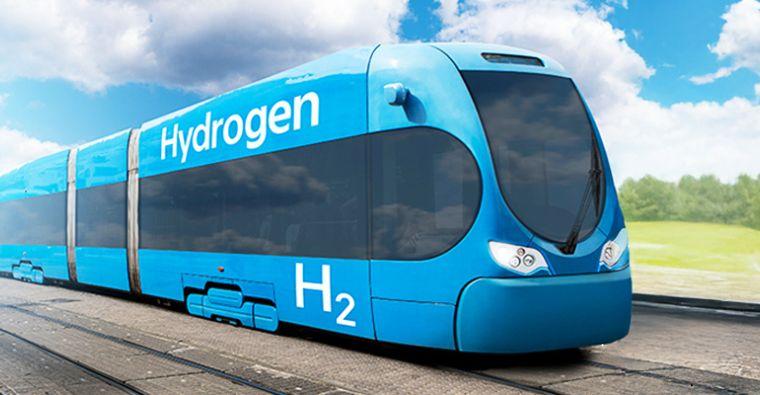
Hydrogen trains use hydrogen fuel cells to generate electricity onboard. These fuel cells combine hydrogen with oxygen from the air to produce electricity, heat, and water—resulting in zero emissions during operation.
Unlike electric trains that rely on overhead wires or third rails, hydrogen trains carry their own power supply, making them ideal for non-electrified rail routes, which still account for a significant portion of India’s rail infrastructure.
Why India Needs a Cleaner Rail Solution
India operates one of the largest railway networks in the world, transporting over 8 billion passengers annually. While the Indian Railways is pushing toward full electrification, diesel locomotives are still widely used, especially in rural and underdeveloped regions.
The environmental cost of this is significant:
- Diesel engines emit CO₂, NOx, and particulate matter, contributing to pollution and climate change
- Electrification of remote routes is costly and time-consuming
- Dependence on fossil fuels hampers India’s energy security goals
Hydrogen trains offer a potential solution by reducing emissions while maintaining operational flexibility on non-electrified routes.
India’s First Hydrogen-Powered Train Initiative
In 2023, Indian Railways announced plans to roll out its first hydrogen-powered train—a key milestone in the national strategy for cleaner mobility. The prototype, known as Hydrogen for Heritage, is designed to run on narrow-gauge lines, such as the Kalka-Shimla or Darjeeling routes, combining clean technology with cultural tourism.
This aligns with India’s National Green Hydrogen Mission, which aims to make India a global hub for green hydrogen production and export.
Benefits of Hydrogen Trains for India
1. Zero Emissions
Hydrogen trains emit only water vapor, making them a clean alternative to diesel locomotives.
2. Energy Independence
With green hydrogen produced from domestic solar or wind energy, India can reduce its dependence on imported fossil fuels.
3. Cost-Effective for Remote Routes
Where electrification is not feasible due to terrain or cost, hydrogen trains offer a wireless, scalable solution.
4. Job Creation and Innovation
Developing a hydrogen train ecosystem (manufacturing, fuel infrastructure, R&D) could create thousands of green jobs and stimulate technological innovation.
Global Inspiration: Germany and Beyond
India isn’t alone in its hydrogen ambitions. Countries like Germany have already introduced commercial hydrogen trains on passenger routes. France, the UK, Japan, and South Korea are also investing heavily in hydrogen rail.
These global efforts offer valuable insights for India to leapfrog into next-gen transport systems while tailoring the technology to its unique terrain and population density.
Challenges Ahead
Despite its potential, there are hurdles India must overcome:
- High initial costs of hydrogen train production and deployment
- Lack of hydrogen refueling infrastructure across rail networks
- Hydrogen storage and safety concerns, especially in high-temperature regions
- Limited domestic manufacturing of fuel cell components
However, with consistent policy support, public-private partnerships, and technology transfer, these challenges can be addressed in the coming decade.
Policy Support and Government Roadmap
The Indian government’s National Green Hydrogen Mission (2023) has allocated over ₹19,000 crores to boost green hydrogen adoption. Railways, being a major fuel consumer, is one of the priority sectors.
Indian Railways has also partnered with IITs and global technology firms to design and test indigenous hydrogen solutions, ensuring long-term affordability and scalability.
The Road Ahead: Could Hydrogen Trains Be the Answer?
India’s vision for net-zero emissions by 2070 requires bold changes in every sector, including transportation. Hydrogen trains are not a silver bullet but represent a crucial piece of the green mobility puzzle.
With over 30,000 km of non-electrified tracks, hydrogen rail can fill the gap faster than electrification alone. If implemented strategically—with local manufacturing, green hydrogen sourcing, and supportive infrastructure—hydrogen trains could very well become the backbone of eco-friendly rail transport in India.
On the Right Track
The question isn't whether hydrogen trains are possible in India—the question is how fast can we scale them. As technology matures and green hydrogen becomes more accessible, hydrogen-powered trains could soon be seen not just on heritage routes but across regional and long-distance lines.
India has a golden opportunity to lead the global south in green rail innovation. Hydrogen trains could be the engine that drives India’s transport sector into a cleaner, smarter, and more sustainable future.