
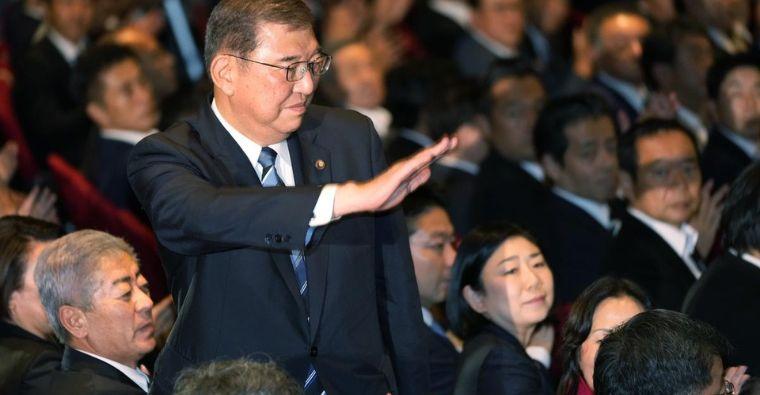
Former Defence Minister Shigeru Ishiba Chosen to Lead Japan’s Ruling Party
Tokyo, Japan In a significant political development, Shigeru Ishiba, former Defence Minister and a veteran politician, has been chosen to lead Japan’s ruling Liberal Democratic Party (LDP).
This decision places him in a pivotal role at a time when Japan faces both internal challenges and evolving regional dynamics.
A Respected Political Veteran
Shigeru Ishiba, known for his extensive experience and deep understanding of Japan’s defence and security policies, has long been a prominent figure within the LDP. His political career spans several decades, during which he has held various key positions, including Minister of Agriculture, Forestry and Fisheries, and Minister for Revitalization of Local Economies.
Ishiba’s selection as the party leader underscores the LDP’s desire for seasoned leadership amid a changing geopolitical landscape. His reputation as a pragmatic and strategic thinker makes him a strong candidate to navigate the complex issues Japan currently faces.
Leadership Transition
Ishiba succeeds Fumio Kishida, who has served as the Prime Minister and leader of the LDP since October 2021. Under Kishida’s leadership, Japan has undertaken significant measures to strengthen its economy, address the COVID-19 pandemic, and enhance its role in international affairs. However, with mounting economic pressures and security concerns in the Asia-Pacific region, the LDP seeks to reinvigorate its strategy under new leadership.
Key Challenges Ahead
As the new leader of the LDP, Ishiba is expected to address several pressing issues:
Economic Revitalization: Japan’s economy, despite showing signs of recovery, continues to grapple with challenges such as an aging population, labor shortages, and the need for sustainable growth. Ishiba’s policies will likely focus on stimulating economic activity, fostering innovation, and ensuring long-term economic stability.
National Security: Given his background as Defence Minister, Ishiba is poised to reinforce Japan’s national security framework. This includes strengthening the Japan Self-Defense Forces, enhancing cybersecurity measures, and fortifying alliances with key partners like the United States.
Regional Diplomacy: The Asia-Pacific region is witnessing significant shifts, with China’s growing influence and North Korea’s unpredictable actions. Ishiba’s diplomatic acumen will be crucial in maintaining regional stability, promoting dialogue, and addressing security threats.
Domestic Reforms: Ishiba has been a proponent of decentralizing power to local governments, advocating for policies that empower regional economies. His leadership may bring renewed focus on local revitalization, aiming to balance development across Japan.
A Vision for the Future
Ishiba’s vision for Japan encompasses a blend of traditional values and modern strategies. He has consistently emphasized the importance of resilience, innovation, and international cooperation. In his acceptance speech, Ishiba reiterated his commitment to leading Japan through a period of transformation, aiming to build a nation that is economically robust, secure, and globally respected.
Shigeru Ishiba’s ascension to the leadership of Japan’s ruling party marks a new chapter in the country’s political landscape. With his wealth of experience and strategic mindset, Ishiba is well-positioned to guide Japan through the multifaceted challenges ahead. As the world watches, Japan’s domestic and foreign policies under Ishiba’s leadership will play a crucial role in shaping the future of the Asia-Pacific region and beyond.


Leave a comment
Your email address will not be published. Required fields are marked *