
Essential Interview Skills Everyone Should Master
Learn essential interview skills everyone should master to stand out, impress recruiters, and land your dream job with confidence.
Interviews can be nerve-wracking. Whether it’s your first job or a career-changing opportunity, sitting across from an interviewer often feels like being under a spotlight. But here’s the truth: success in interviews doesn’t come from luck—it comes from preparation and mastering a few timeless skills.
The good news? These skills can be learned, practiced, and refined. Let’s explore the essential interview skills everyone should master to confidently step into any interview room.
Do Your Homework
Preparation is half the battle.
- Research the company—its values, products, culture, and recent news
- Understand the job role and align your skills with what they’re seeking
- Prepare thoughtful questions to ask the interviewer
Tip: Walking in prepared shows you’re genuinely interested and committed.
Perfect Your First Impression
First impressions stick, and they often set the tone for the rest of the interview.
- Dress appropriately for the company’s culture
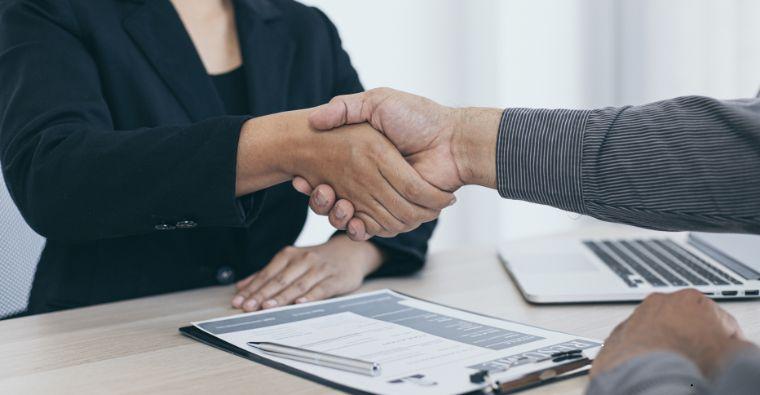
- Greet with a firm handshake and a confident smile
- Maintain good posture and eye contact
Communicate Clearly and Confidently
Your answers should be clear, concise, and impactful.
- Use the STAR method (Situation, Task, Action, Result) to answer behavioral questions
- Avoid filler words like “um” or “you know”
- Speak with confidence, but stay authentic
Highlight Soft Skills
Employers value not only technical expertise but also interpersonal qualities.
- Show teamwork, problem-solving, and adaptability
- Demonstrate emotional intelligence through your responses
- Use real-life examples to illustrate your soft skills in action
Master Non-Verbal Cues
Sometimes, what you don’t say matters most.
- Maintain eye contact without staring
- Use hand gestures naturally, not excessively
- Avoid fidgeting—it can signal nervousness
Handle Tough Questions Gracefully
Not every question will be easy. That’s okay.
- Pause before answering to collect your thoughts
- Be honest if you don’t know something—then show your willingness to learn
- Reframe weaknesses as areas you’re actively improving
Follow Up Professionally
The interview doesn’t end when you leave the room.
- Send a thank-you email within 24 hours
- Mention something specific from the conversation to make it personal
- Reiterate your enthusiasm for the role
Mastering interviews isn’t about memorizing perfect answers—it’s about showing up prepared, confident, and authentic. By doing your research, communicating clearly, and presenting both your technical and soft skills, you’ll stand out as a candidate worth remembering.
Remember: every interview is not just a test—it’s also a chance to learn, grow, and improve for the next one.


Leave a comment
Your email address will not be published. Required fields are marked *