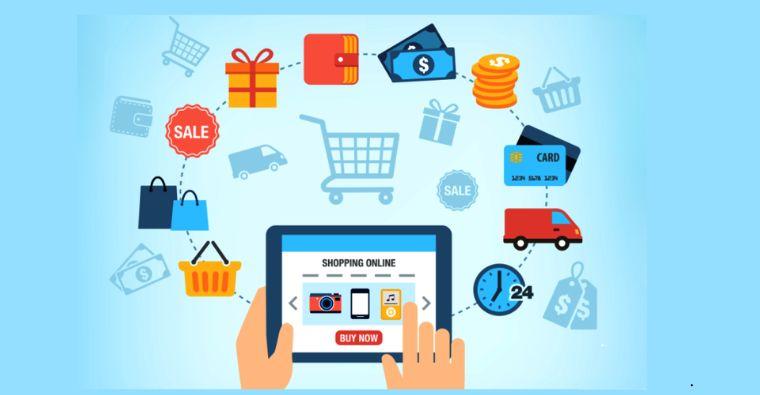
In the digital marketplace, success is no longer measured by website traffic alone—it is defined by how effectively businesses convert clicks into customers. E-commerce has transformed the way companies attract, engage, and retain buyers, turning online interactions into real revenue opportunities.
With the right technology, strategy, and customer focus, e-commerce empowers businesses to build lasting relationships and scalable growth.
The Shift from Physical Stores to Digital Journeys
Traditional retail relied heavily on foot traffic and physical presence. Today, the customer journey begins online—through search engines, social media, ads, and marketplaces.
E-commerce platforms allow businesses to guide users seamlessly from discovery to purchase. Every click becomes a potential conversion when supported by optimized design, relevant content, and smooth user experience.
How E-Commerce Turns Clicks into Customers
Modern e-commerce systems focus on conversion at every stage of the buyer journey:
User-Friendly Website Design
Clean layouts, fast loading pages, and mobile responsiveness reduce drop-offs.
Personalized Shopping Experiences
Product recommendations and tailored offers increase engagement and purchase intent.
Simplified Checkout Process
Fewer steps, multiple payment options, and trust signals reduce cart abandonment.
Clear Product Information
High-quality images, descriptions, and reviews build buyer confidence.
Together, these elements transform interest into action.
The Role of Data and Analytics
Data is a powerful driver of e-commerce success. Businesses track customer behavior, preferences, and buying patterns to understand what drives conversions.
Analytics help optimize pricing, promotions, marketing campaigns, and inventory planning. By making data-driven decisions, companies improve conversion rates and customer lifetime value.
Marketing Automation and Customer Engagement
E-commerce platforms integrate marketing tools that nurture leads automatically. Email follow-ups, abandoned cart reminders, personalized offers, and loyalty programs help re-engage visitors.
Automation ensures consistent communication with customers, increasing repeat purchases and brand loyalty without manual effort.
Building Trust in Online Shopping
Trust plays a critical role in converting clicks into customers. Secure payment gateways, transparent policies, easy returns, and visible customer support reassure buyers.
Positive reviews, ratings, and testimonials further strengthen credibility, encouraging first-time visitors to become paying customers.
Omnichannel Presence and Customer Reach
E-commerce success today extends beyond websites. Businesses sell through social media, marketplaces, mobile apps, and messaging platforms.
An omnichannel approach ensures customers experience consistent branding and service across all touchpoints, increasing conversion opportunities and customer satisfaction.
Scalability and Long-Term Growth
One of the greatest strengths of e-commerce is scalability. Businesses can grow without geographical limitations, reach global audiences, and expand product offerings with minimal infrastructure investment.
With the right technology stack, e-commerce becomes a long-term growth engine rather than just a sales channel.
Challenges and Continuous Optimization
While powerful, e-commerce requires constant optimization. Competition, evolving customer expectations, and technology updates demand continuous improvement.
Businesses that test, analyze, and refine their digital strategies consistently achieve stronger conversion results.
E-commerce has redefined how businesses turn clicks into customers. By combining technology, data, personalization, and trust, companies can convert online interest into meaningful relationships and sustainable revenue.
In the digital age, the true power of e-commerce lies not just in attracting traffic—but in transforming that traffic into loyal customers and long-term growth.