
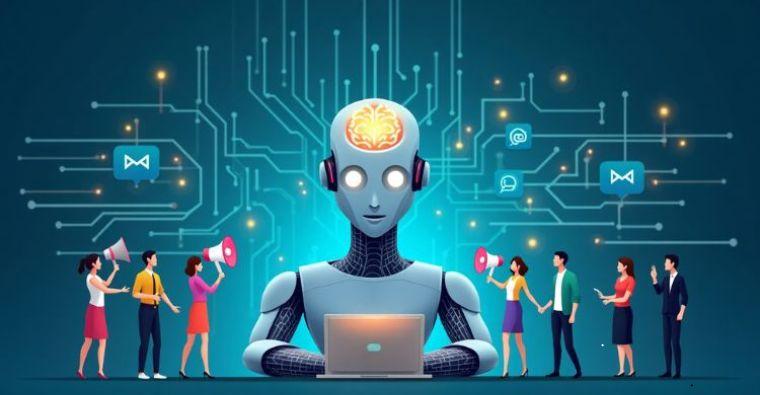
From Data to Decisions: Leveraging AI for Smarter Marketing Strategies
Discover how AI transforms raw marketing data into smarter decisions, enabling businesses to optimize campaigns, personalize customer journeys, and drive ROI.
In today’s digital-first world, businesses generate massive amounts of data every second — from customer clicks to purchase histories. The challenge isn’t just collecting this data but transforming it into actionable insights that guide smarter marketing strategies. This is where Artificial Intelligence (AI) steps in, bridging the gap between raw information and intelligent decision-making.
The Shift from Guesswork to Data-Driven Marketing
Traditional marketing relied heavily on assumptions, instincts, and broad customer segments. While effective to some extent, it lacked precision. AI has revolutionized this space by enabling marketers to analyze vast datasets in real time, uncovering hidden patterns and predicting future behaviors. Instead of asking “What worked last time?”, AI-driven insights allow businesses to ask “What will work next time?”
How AI Transforms Data into Smarter Decisions
- Predictive Analytics
AI models can forecast customer behavior, helping businesses anticipate demand, churn, or even individual purchase decisions. This makes campaigns more proactive than reactive. - Customer Personalization
From Netflix recommendations to personalized email campaigns, AI ensures customers receive highly relevant content. This increases engagement, loyalty, and ultimately conversions. - Optimizing Campaign Performance
AI-powered tools can run A/B tests at scale, identify the best-performing ads, and automatically allocate budgets for maximum ROI. - Real-Time Decision Making
Unlike traditional methods, AI continuously learns and adapts. For example, chatbots powered by AI can respond instantly with tailored product recommendations.
Case Studies of AI in Action
- E-commerce: Retailers use AI to recommend products based on browsing behavior, increasing cross-selling opportunities.
- Finance: Banks leverage AI-driven fraud detection to prevent suspicious transactions while personalizing offers for clients.
- Healthcare Marketing: AI helps segment audiences and deliver campaigns that promote specific services to relevant demographics.
Challenges in Adopting AI
While AI offers endless possibilities, businesses face challenges like data privacy concerns, lack of skilled talent, and high implementation costs. Addressing these issues requires a balanced approach — combining technology with transparency and ethical practices.
The Future of AI in Marketing
AI’s role in marketing will only deepen. We’re moving toward hyper-personalization, voice-enabled commerce, and predictive customer journeys. Companies that harness AI responsibly will gain a significant competitive edge in the years to come.
AI is no longer a futuristic concept — it’s a present-day necessity for marketers aiming to turn data into smarter decisions. By embracing AI-powered tools, businesses can optimize campaigns, enhance customer experiences, and achieve sustainable growth.


Leave a comment
Your email address will not be published. Required fields are marked *