
How AI Is Revolutionizing Disease Detection and Diagnosis
Discover how AI is transforming the future of disease detection and diagnosis. Learn how machine learning, image analysis, and predictive analytics are reshaping modern healthcare.
A New Era in Healthcare Diagnosis
In recent years, artificial intelligence (AI) has emerged as a powerful force in healthcare. What was once reliant on manual observation and limited diagnostic tools is now being augmented by intelligent algorithms capable of identifying diseases with unmatched accuracy and speed. In 2025, AI is not just assisting doctors—it’s redefining how diseases are detected and diagnosed.
1. AI-Powered Medical Imaging: Faster and More Accurate Detection
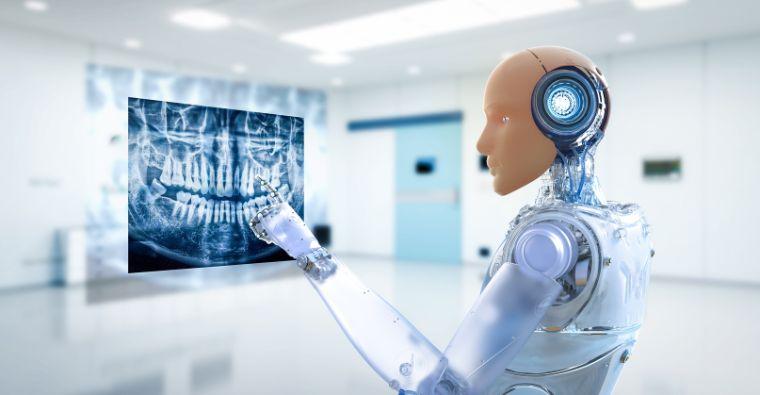
One of the most impactful uses of AI in diagnosis is in medical imaging. Tools powered by deep learning can now analyze X-rays, MRIs, and CT scans faster than human radiologists—often spotting anomalies invisible to the human eye.
Key Applications:
- Early detection of cancers (lung, breast, skin)
- Identifying fractures and internal injuries
- Diagnosing neurological disorders like Alzheimer’s
Companies like Aidoc and Zebra Medical Vision have led the way, providing real-time image analysis that improves both speed and accuracy in critical diagnoses.
2. Predictive Analytics for Early Disease Detection
AI algorithms now use patient data—such as genetics, lifestyle habits, and medical history—to predict the likelihood of disease before symptoms even appear. These tools offer risk scores for conditions like:
- Type 2 Diabetes
- Cardiovascular disease
- Certain cancers
By detecting high-risk patients early, doctors can intervene sooner, saving lives and reducing healthcare costs.
3. Natural Language Processing in Medical Records
Medical professionals often rely on electronic health records (EHRs) filled with unstructured data. AI, especially Natural Language Processing (NLP), is transforming the way this data is used.
Use Cases:
- Extracting symptoms and patterns from clinical notes
- Summarizing patient history instantly
- Flagging missing or contradictory information
This results in quicker diagnoses and better-informed treatment decisions.
4. AI in Pathology: Enhancing Lab Diagnostics
AI microscopes and image recognition systems can now analyze blood smears, biopsies, and lab slides with extreme precision. They help identify infections, tumors, and abnormal cell structures without delays or human fatigue.
AI-driven pathology ensures:
- Standardized diagnostics
- Higher throughput in labs
- Reduced chances of human error
5. Remote Diagnostics and Telemedicine Integration
In a post-pandemic world, telemedicine continues to grow. AI supports this trend by enabling remote disease detection through:
- AI-powered chatbots that assess symptoms
- Wearable health devices that transmit real-time data
- Remote scans interpreted via cloud-based AI models
This increases access to care, especially in rural or underserved areas.
6. Personalized and Precision Diagnostics
Every patient is different—and AI understands that. By combining genomic data, personal history, and lifestyle inputs, AI can create personalized diagnostic models that adapt over time.
This is particularly helpful in:
- Cancer genomics
- Autoimmune conditions
- Rare diseases with complex symptom patterns
7. Continuous Learning and Clinical Support
AI tools are continuously updated with the latest research, case studies, and global medical data. This allows them to:
- Suggest overlooked diagnoses
- Recommend additional tests
- Cross-reference rare conditions
They function as intelligent assistants, supporting doctors in making more evidence-based decisions.
AI as a Lifesaving Diagnostic Ally
AI is transforming the landscape of disease detection and diagnosis. From scanning images and interpreting lab results to predicting illnesses before symptoms arise, AI empowers healthcare providers with speed, precision, and insight. As we continue to merge human expertise with machine intelligence, the future of diagnosis looks faster, smarter, and more personalized than ever before.


Leave a comment
Your email address will not be published. Required fields are marked *