Yoga Begins with You
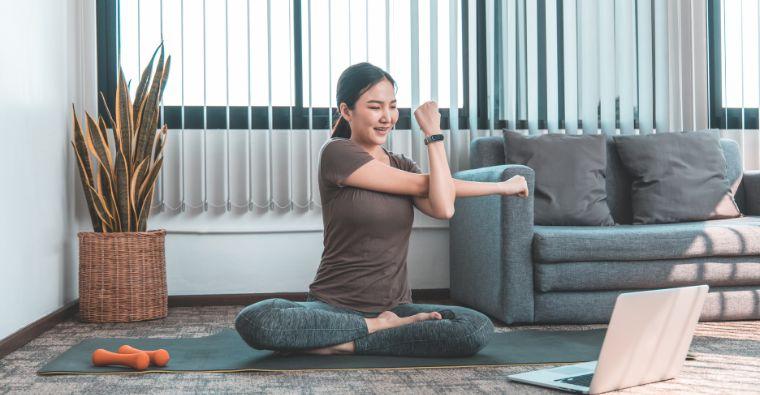
Yoga isn't just a workout—it’s a practice of body awareness, breath, and mindfulness. If you're wondering how to begin yoga at home without a fancy studio or expensive gear, you’re not alone.
Starting yoga at home is easier than ever, and all you need is a little space, a mat, and a willingness to begin.
1. Set Up a Peaceful Yoga Space
You don’t need a big room—just a quiet, clutter-free corner in your home where you can stretch and relax. Try to:
- Choose a spot with natural light
- Use a mat or soft surface
- Add calming elements (candles, incense, indoor plants, or soft music)
Consistency in space helps form the habit.
2. Start with the Right Equipment
To get started, you only need:
- A non-slip yoga mat
- Comfortable clothes
- A cushion or yoga block (optional)
- A water bottle to stay hydrated
No need to invest in props until you’re more comfortable with your practice.
3. Choose Beginner-Friendly Yoga Videos or Apps
Start with short, guided sessions. Look for:
- YouTube Channels like Yoga with Adriene, Boho Beautiful, or Sarah Beth Yoga
- Apps such as Daily Yoga, Glo, or Down Dog
- Focus areas: morning yoga, gentle flow, back pain relief, or bedtime yoga
Stick to videos labeled “beginner” or “gentle.”
4. Learn the Foundational Yoga Poses
Here are 5 beginner poses to practice regularly:
- Child’s Pose (Balasana) – Rest and ground yourself
- Mountain Pose (Tadasana) – Improve posture and alignment
- Downward Dog (Adho Mukha Svanasana) – Stretch the whole body
- Cat-Cow Pose – Increase flexibility in your spine
- Seated Forward Fold (Paschimottanasana) – Calm your mind and lengthen your back
Focus on breath and alignment rather than depth or flexibility.
5. Breathe—It’s the Core of Yoga
Breathing (Pranayama) is what makes yoga more than just stretching. Learn basic breathwork techniques:
- Deep belly breathing
- Box breathing (4-4-4-4)
- Alternate nostril breathing (Nadi Shodhana)
Try to sync your breath with your movements.
6. Start with 10–15 Minutes Daily
You don’t have to do an hour-long session. In fact, shorter, consistent practice is better than irregular, long ones.
A simple structure could be:
- 2 minutes of breathing
- 10 minutes of movement
- 2 minutes of rest or meditation (Savasana)
7. Track Your Progress and Be Kind to Yourself
- Keep a yoga journal
- Celebrate small wins—like better posture or more ease in breath
- Be patient—yoga is a journey, not a destination
Don’t compare your flexibility or skill with others. Everyone’s body is different.
8. Explore Different Styles as You Grow
Once you build a habit, explore various yoga styles:
- Hatha – slower pace, good for beginners
- Vinyasa – more flow-based, energizing
- Restorative – focused on relaxation and healing
- Yin Yoga – long-held poses for deep stretch
Choose what suits your energy and goal for the day.
Your Practice, Your Pace
Starting yoga at home doesn’t require perfection—it just requires presence. It’s not about touching your toes, it’s about what you learn on the way down.
Whether it’s 5 minutes of breathwork or a full 30-minute flow, your commitment to showing up is what matters most.
Take it one breath at a time. Namaste.