Introduction
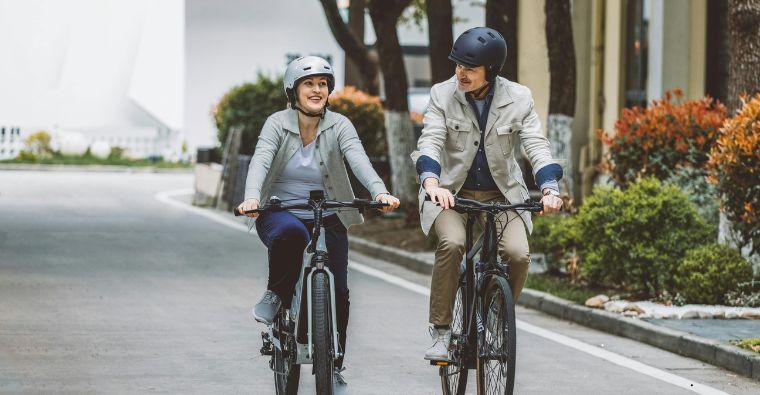
In bustling city environments, traffic congestion and long commute times are an everyday struggle. But an increasing number of people are turning to a solution that’s simple, healthy, and eco-friendly—urban cycling.
Whether you’re commuting to work or running errands, biking in the city is more than just a trend. It offers powerful health benefits, improves daily travel efficiency, and even supports sustainable living.
Health Benefits of Urban Cycling
1. Improves Cardiovascular Health
Cycling is a great low-impact aerobic activity. It boosts heart health, improves circulation, and helps reduce the risk of hypertension and stroke.
2. Aids in Weight Management
A 30-minute urban ride can burn up to 300 calories. Consistent cycling helps manage body weight and body fat percentage.
3. Reduces Mental Stress
Studies show that cycling reduces anxiety and depression. It releases endorphins, improves sleep, and provides a mental break from screen-heavy routines.
4. Strengthens Muscles and Joints
Unlike running, cycling is gentle on the joints while strengthening leg muscles, glutes, and your core over time.
Commute Benefits: Why It’s Smarter to Bike
1. Beat Traffic and Save Time
In congested cities, bikes often move faster than cars or public transport. With dedicated bike lanes and route-planning apps, you can cut your commute time significantly.
2. Save on Transportation Costs
Cycling eliminates the cost of fuel, parking, and public transit passes. Maintenance is minimal compared to owning a car.
3. Flexible and Predictable Timing
Unlike buses or trains that can run late, your bike commute is under your control. It adds predictability and flexibility to your routine.
4. Reduces Your Carbon Footprint
Urban cycling is 100% emissions-free. Replacing even a few weekly car trips with bike rides significantly reduces your environmental impact.
Challenges of Urban Cycling (and How to Overcome Them)
- Safety Concerns: Use proper gear (helmet, lights, reflectors) and follow road rules. Cities are increasingly adding safer bike infrastructure.
- Weather Conditions: Invest in waterproof gear and fenders to handle rain.
- Storage and Theft: Use a sturdy lock and consider indoor or public bike lockers.
- Fatigue or Physical Limitations: Start slow—just a few times a week—and gradually build stamina.
How to Get Started
- Choose a comfortable, city-appropriate bike (hybrid or commuter bike)
- Plan your route using Google Maps or cycling apps
- Pack smart: wear breathable clothes, and bring a repair kit and water
- Join a local cycling group or workplace bike challenge for motivation
Urban cycling isn’t just a lifestyle—it’s a smart health and mobility choice. It promotes physical fitness, saves time and money, and contributes to cleaner, more livable cities.
If you’re looking for a way to transform your commute while taking care of your health and the planet, hopping on a bike might be the perfect move.