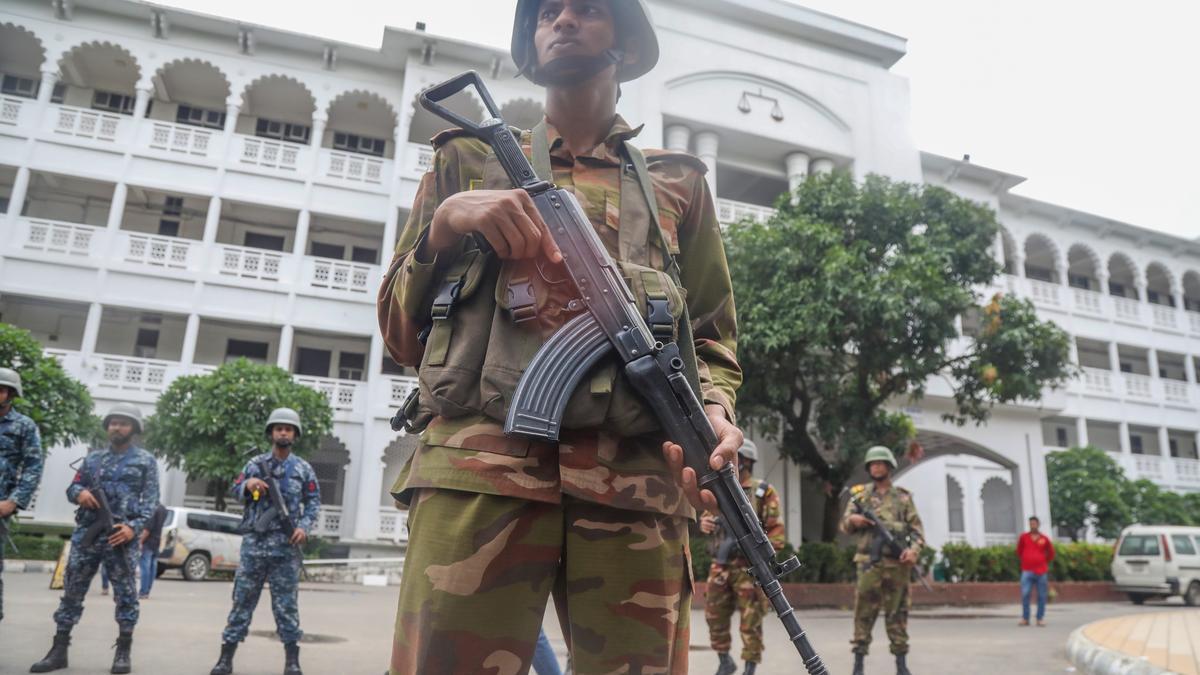
A recent report by rights groups has highlighted a concerning situation in the Chittagong Hill Tracts (CHT) of Bangladesh, where the Bangladesh Army was allegedly inactive while indigenous people were attacked. This incident is part of a larger pattern of violence and human rights abuses against indigenous communities in the region.
The Indigenous Jumma People's Network of the Chittagong Hill Tracts (IJPN) and other advocacy groups have accused the military of failing to intervene during violent clashes, which left many indigenous people injured and displaced. The violence, often attributed to tensions between different ethnic groups, has been exacerbated by alleged military support for factions aiming to divide the indigenous communities.
The historical context of this conflict is crucial. Since the CHT was incorporated into Pakistan in 1947 and later became part of Bangladesh, there have been significant efforts to alter the demographic composition of the region. Successive governments have facilitated the settlement of non-indigenous people in the CHT, often leading to the displacement and marginalization of indigenous populations. The military's role in these processes has been controversial, with numerous reports of human rights violations, including forced evictions, torture, and killings.