Rethinking the Ballot Box
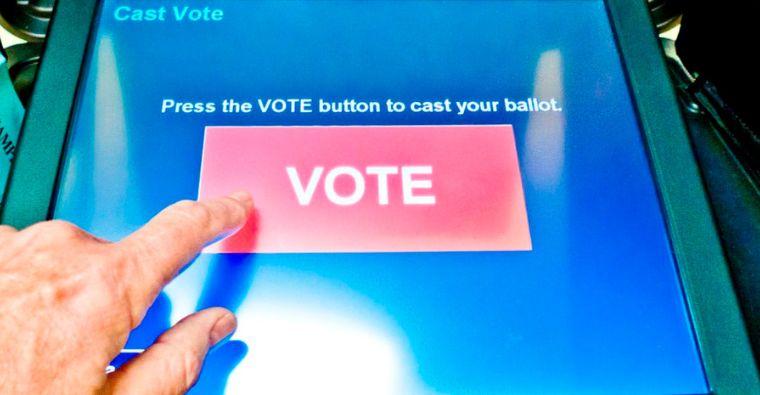
Democracy has always relied on participation. Yet, as society becomes more digital and mobile, the idea of walking into a polling booth is starting to feel outdated. That’s where remote voting steps in — offering a vision of elections where you can vote from your phone or laptop, no matter where you are.
But is remote voting truly the future of democracy? Or is it a risky shortcut that could undermine trust in free and fair elections?
1. What is Remote Voting?
Remote voting refers to casting your vote outside of a traditional polling station, often through:
- Postal ballots
- Online voting platforms
- Mobile apps or secure portals
Countries like Estonia have led the way, implementing secure digital voting for over a decade. Others are just beginning to test the waters.
2. Why Remote Voting Makes Sense in a Digital World
✅ Accessibility
Remote voting helps elderly, disabled, or overseas citizens cast their vote easily — ensuring no voice goes unheard.
✅ Convenience
With busy lifestyles and urban migration, people often skip voting due to location constraints. Remote voting removes that barrier.
✅ Crisis Situations
From pandemics to natural disasters, remote systems ensure elections go on even when physical polling is difficult.
3. Technologies Powering Remote Voting
Several innovations are driving this shift:
- Blockchain voting for transparency and tamper-proof records
- Biometric verification for secure authentication
- AI and machine learning for fraud detection
- End-to-end encryption to protect voter privacy
However, deploying these at a national scale is still a challenge for most countries.
4. The Challenges: Why Experts Remain Cautious
⚠️ Cybersecurity Risks
Hacking, data leaks, and system manipulation are real threats. A single breach can shake public confidence.
⚠️ Digital Divide
Rural and low-income populations may lack the tech access or literacy needed for online voting.
⚠️ Voter Privacy & Anonymity
Maintaining secrecy while verifying identity remotely is complex and prone to ethical and legal concerns.
⚠️ Trust & Transparency
People are more likely to trust paper over pixels — especially in politically sensitive climates.
5. Case Studies: Who’s Trying It Already?
🇪🇪 Estonia
The global leader in e-voting. Citizens can vote online securely using their national ID system.
🇨🇭 Switzerland
Conducted several successful remote voting trials but paused full rollout due to security concerns.
🇮🇳 India
The Election Commission has proposed remote voting via blockchain for internal migrants — a groundbreaking step for the world’s largest democracy.
6. The Ethical and Legal Debate
Introducing remote voting raises serious questions:
- Can votes be bought or coerced more easily when cast from home?
- How can we audit digital votes?
- Are we prioritizing convenience over credibility?
Regulators, technologists, and civil rights groups must work together to design systems that are secure, fair, and transparent.
7. The Road Ahead: A Hybrid Future?
Rather than replacing traditional methods, remote voting may complement existing systems:
- Early voting + in-person + online = broader participation
- Pilot programs in urban areas before rural rollout
- Use for local elections or referendums as a starting point
This hybrid model can test and improve systems before full national adoption.
A Democratic Future, Click by Click
Remote voting offers a glimpse into a more inclusive and flexible democracy — one where geography, mobility, or crisis don’t block participation. But the path forward must be responsibly designed, technologically secure, and socially accepted.
As nations explore this new frontier, one thing is clear: the future of democracy will be digital — but only if trust is at its core.