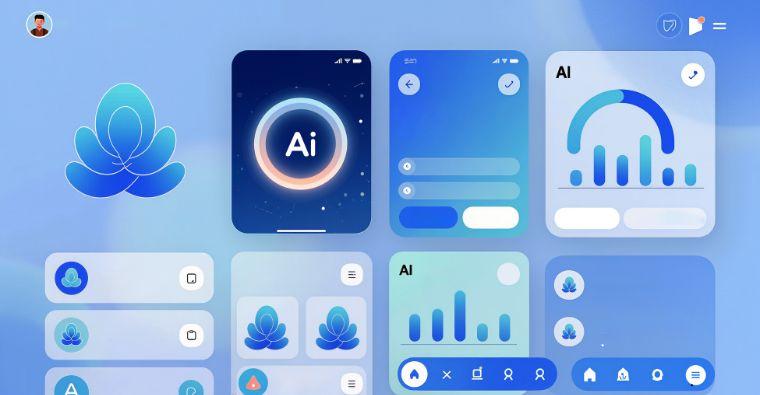
This initiative marks a significant step forward in the evolution of personal digital assistants, promising to transform the way we interact with technology.
A Vision for the Future
Satya Nadella, CEO of Microsoft, outlined the company’s vision for AI assistants that are not only smarter and more intuitive but also omnipresent. “We are entering a new era where AI will be an integral part of our everyday experiences. These AI assistants will be there to help you, anticipate your needs, and seamlessly integrate with your digital and physical worlds,” Nadella stated.
Key Features and Innovations
Microsoft’s new AI assistants are designed to be more than just tools; they aim to become indispensable companions in managing daily tasks, enhancing productivity, and providing personalized experiences. Key features include:
Contextual Awareness: Leveraging advanced machine learning algorithms, these AI assistants can understand and react to the context in which they are used, providing relevant information and assistance without the need for explicit commands.
Seamless Integration: The assistants will work across various devices and platforms, ensuring a consistent and unified experience whether users are on their smartphones, PCs, or smart home devices.
Proactive Assistance: Anticipating user needs, the AI will offer proactive suggestions and reminders, helping users stay organized and efficient.
Natural Interaction: Enhanced natural language processing capabilities will allow users to interact with the AI assistants in a more conversational and human-like manner, making technology feel more approachable and less intrusive.
Privacy and Security
Understanding the growing concerns about privacy and data security, Microsoft emphasized their commitment to protecting user information. The company assured that robust encryption and privacy controls would be at the core of these AI assistants, giving users full control over their data.
Industry Impact
The introduction of ever-present AI assistants is expected to have far-reaching implications across various sectors. In the workplace, these assistants could revolutionize productivity by automating routine tasks and facilitating seamless communication. In the consumer space, they promise to enhance everyday activities, from managing schedules to controlling smart home environments.
Tech industry analysts are optimistic about Microsoft's bold move. “This development could set a new standard for AI assistants, making them an integral part of our lives rather than just an add-on feature,” said Dr. Mark Thompson, an AI specialist at Stanford University.
Looking Ahead
Microsoft plans to roll out the first wave of these AI assistants in early 2025, with a series of updates and enhancements to follow. The company is also inviting developers and tech enthusiasts to contribute to the evolution of these AI systems through their open platforms.
As Microsoft pushes the boundaries of what AI can achieve, the world watches with anticipation. The promise of ever-present AI assistants represents a significant leap towards a more interconnected and intelligent future, where technology becomes an even more seamless extension of ourselves.