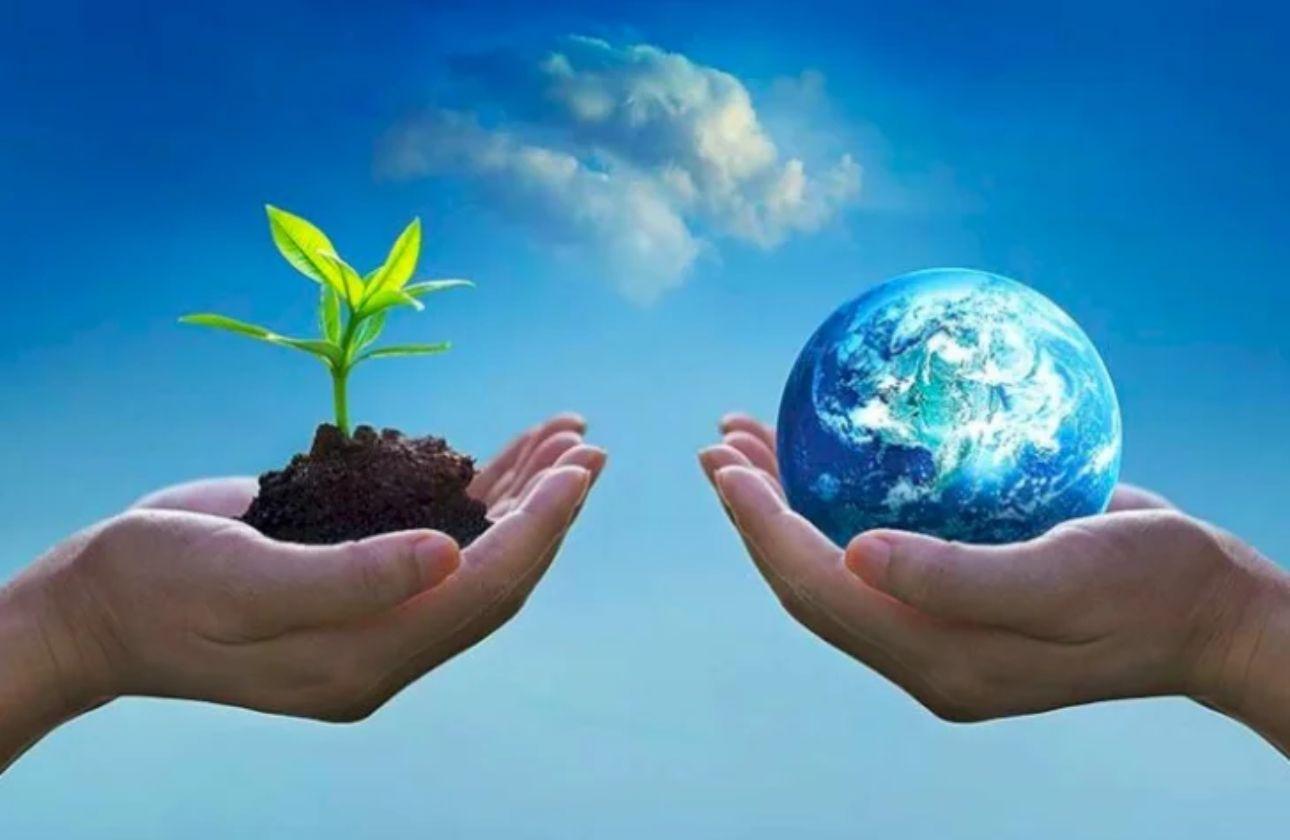
Nature is the foundation of life on Earth. From the air we breathe to the food we eat, everything we depend on comes directly or indirectly from nature. Forests, oceans, rivers, mountains, wildlife, and climate systems work together in harmony to support life. However, rapid urbanization, pollution, and climate change are putting immense pressure on natural ecosystems. Understanding the value of nature is the first step toward protecting it for future generations.
What Is Nature and Why Is It Important?
Nature includes all living and non-living elements of the Earth—plants, animals, water bodies, soil, air, and climate. These elements interact in complex ecosystems that maintain balance and sustainability.
Nature plays a crucial role in:
- Regulating climate and weather patterns
- Providing clean air and water
- Supporting agriculture and food chains
- Maintaining biodiversity
- Improving physical and mental well-being
Without healthy natural systems, human survival would not be possible.
The Role of Biodiversity in a Healthy Ecosystem
Biodiversity refers to the variety of plant and animal life on Earth. Each species, no matter how small, plays a role in maintaining ecological balance. Forests with rich biodiversity are more resilient to diseases, climate changes, and natural disasters.
Loss of biodiversity can lead to:
- Disruption of food chains
- Reduced agricultural productivity
- Increased spread of diseases
- Irreversible damage to ecosystems
Protecting biodiversity ensures the long-term stability of nature and human life.
Impact of Human Activities on Nature
Human development has brought comfort and technological advancement, but it has also caused serious environmental damage. Deforestation, industrial pollution, plastic waste, and excessive use of natural resources have weakened ecosystems worldwide.
Major environmental challenges include:
- Climate change and global warming
- Air, water, and soil pollution
- Deforestation and habitat loss
- Ocean pollution and coral reef destruction
If left unchecked, these issues will significantly affect future generations.
Climate Change and Its Effect on Nature
Climate change is one of the most serious threats to nature today. Rising temperatures, melting glaciers, irregular rainfall, and extreme weather events are clear signs of environmental imbalance.
Effects of climate change on nature include:
- Loss of wildlife habitats
- Decline in freshwater resources
- Increased forest fires
- Rising sea levels affecting coastal ecosystems
Reducing carbon emissions and adopting sustainable practices are essential to slow down climate change.
Importance of Conservation and Sustainable Living
Nature conservation focuses on protecting natural resources while allowing responsible use. Sustainable living means meeting our needs without harming the environment or depleting resources.
Simple ways to support conservation include:
- Reducing plastic usage
- Saving water and electricity
- Supporting renewable energy
- Planting trees and protecting green spaces
- Recycling and responsible waste management
Small actions by individuals can collectively create a large positive impact.
How Nature Benefits Human Health and Well-Being
Spending time in nature improves mental health, reduces stress, and boosts overall well-being. Green spaces are known to enhance mood, improve concentration, and promote physical activity.
Nature contributes to:
- Lower stress and anxiety levels
- Better physical fitness
- Improved sleep and mental clarity
- Stronger connection with the environment
Preserving nature is not just an environmental responsibility—it is essential for human health.
Protecting Nature for a Better Future
Nature is a priceless gift that sustains all forms of life. Protecting it is not a choice but a responsibility. By understanding the importance of natural ecosystems and adopting sustainable habits, we can ensure a healthier planet for ourselves and future generations.
Every effort matters. When we protect nature, we protect life itself.