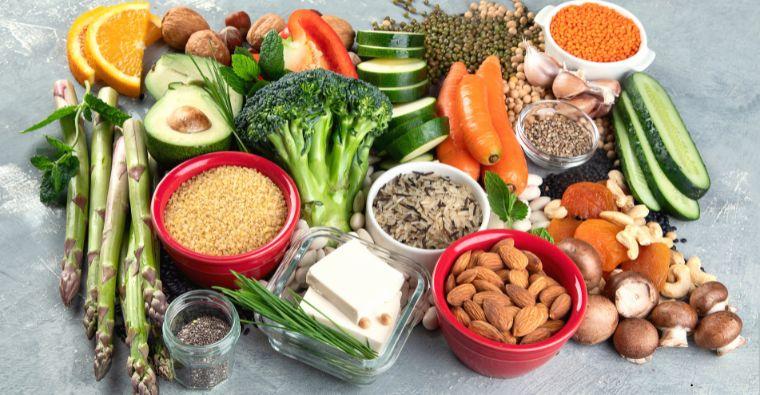
Why Go Plant-Based?
Plant-based diets are gaining popularity not just as a food trend, but as a lifestyle rooted in health, ethics, and sustainability. Whether you're going fully vegan or just trying more meatless meals, adopting a plant-based diet can have powerful effects on your body and the planet.
1. Health Benefits of a Plant-Based Diet
a. Improved Heart Health
Plant-based diets are naturally low in saturated fat and cholesterol, which can help lower blood pressure and reduce the risk of heart disease.
b. Better Weight Management
Many people find it easier to maintain a healthy weight when eating more fiber-rich, whole foods found in plant-based diets.
c. Reduced Risk of Chronic Diseases
Research shows that plant-based diets may reduce the risk of type 2 diabetes, certain cancers, and other lifestyle-related illnesses.
d. Improved Digestion
Thanks to high fiber intake from fruits, veggies, legumes, and grains, plant-based eaters often experience better gut health and digestion.
2. Environmental and Ethical Advantages
Eating plant-based significantly reduces your carbon footprint. It also conserves water, reduces deforestation, and decreases animal agriculture’s impact on climate change. For many, it’s also about animal welfare and choosing compassionate consumption.
3. Tips for Transitioning to a Plant-Based Diet
a. Start Small
Begin by incorporating one plant-based meal a day, like a veggie stir-fry or lentil soup.
b. Don’t Rely on Processed Alternatives
Whole foods like beans, grains, and vegetables are healthier and cheaper than plant-based junk food.
c. Learn to Read Labels
Familiarize yourself with hidden animal products in packaged foods—like gelatin, whey, and casein.
d. Explore Global Cuisines
Many cultures already cook plant-based meals—Indian, Mediterranean, Thai, and Ethiopian cuisines offer plenty of options.
4. Key Nutrients to Watch
To stay healthy on a plant-based diet, pay attention to:
- Protein: Found in beans, lentils, tofu, tempeh, and quinoa
- Vitamin B12: Take supplements or fortified foods
- Iron & Zinc: Include legumes, nuts, seeds, and leafy greens
- Omega-3s: Flaxseeds, chia seeds, and walnuts
- Calcium: Fortified plant milks, broccoli, kale, and almonds
5. Sample One-Day Plant-Based Meal Plan
- Breakfast: Overnight oats with almond milk, banana, and chia seeds
- Lunch: Quinoa salad with chickpeas, roasted veggies, and tahini dressing
- Snack: Hummus with carrot and cucumber sticks
- Dinner: Lentil curry with brown rice and steamed greens
Plant Power for Life
A plant-based diet isn’t about restriction—it’s about nourishment, awareness, and empowerment. Whether you're making the shift for health, the planet, or animals, every plant-based choice makes a difference.