Clean Cities Need Smart Tech
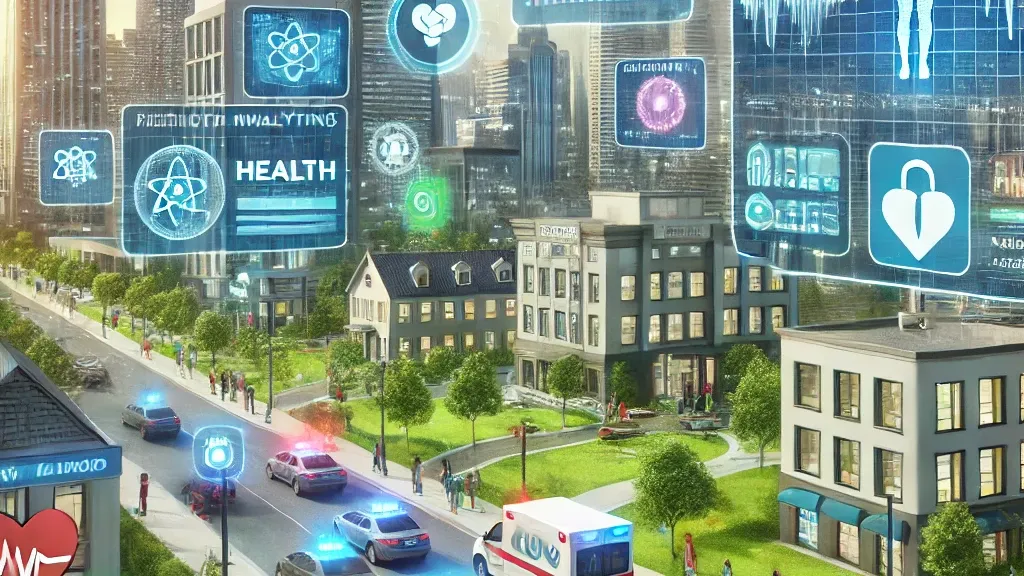
As urban populations grow, the demand for efficient and hygienic public spaces becomes more critical. Smart cities, driven by data and technology, are reshaping public health frameworks. At the heart of this transformation is Artificial Intelligence (AI), playing a vital role in hygiene monitoring, disease prediction, sanitation management, and environmental health.
AI isn’t just about automation—it’s about anticipation, optimization, and action. Let’s explore how AI is helping smart cities maintain public hygiene and protect citizens’ well-being.
Why Public Hygiene Is a Growing Urban Concern
Urban areas face numerous hygiene challenges:
- Overcrowded public toilets
- Poor waste segregation and disposal
- Contaminated water systems
- Air and surface-borne disease outbreaks
- Limited real-time monitoring of sanitation services
Traditional methods of managing these are reactive, slow, and often inefficient. AI enables proactive, data-driven solutions that improve cleanliness, prevent diseases, and enhance city resilience.
Key Areas Where AI Supports Hygiene Control
1. Smart Waste Management
AI-powered sensors in bins and waste trucks collect real-time data about waste levels. Machine learning algorithms optimize:
- Garbage collection routes
- Waste segregation efficiency
- Overflow prevention and bin placement
- Recycling workflows
🟢 Example: Smart bins in Pune and Indore use fill-level sensors and notify municipal services before bins overflow—keeping streets cleaner.
2. Public Toilet Hygiene Monitoring
IoT sensors, combined with AI analytics, monitor:
- Usage patterns
- Cleanliness levels
- Supply shortages (like soap or tissue)
- Air quality and odor levels
This allows automated cleaning schedules and reduces manual inspections, ensuring hygienic restroom experiences in malls, railway stations, and parks.
3. Disease Surveillance and Outbreak Prediction
AI analyzes data from health records, social media, water testing, and even sewage to detect:
- Emerging infection clusters
- Patterns in disease spread
- Early signs of outbreaks (e.g., dengue, cholera)
🟢 Example: In Telangana, AI models analyze hospital data and water quality to predict dengue-prone zones during monsoons.
4. AI for Clean Water & Air Monitoring
AI integrates data from environmental sensors to:
- Track air quality and pollution sources
- Monitor water contamination in real-time
- Predict seasonal hygiene risks (dust storms, industrial waste leaks)
Municipal corporations can issue alerts and deploy mobile cleaning units or water purifiers before problems escalate.
5. Robotic Cleaning Systems
AI-powered cleaning robots are being used in:
- Hospitals for disinfection
- Airports and metro stations for floor sanitization
- Malls and stadiums for crowd-managed cleaning
These robots reduce human exposure to waste and can work 24/7 with high precision.
Benefits of AI in Public Hygiene Systems
✔ Real-time data and alerts
✔ Efficient allocation of sanitation workers
✔ Predictive maintenance of cleaning infrastructure
✔ Reduced risk of outbreaks
✔ Higher citizen satisfaction and health safety
By using AI, city planners can prioritize high-risk zones, enforce accountability in waste services, and optimize public budgets for maximum hygiene outcomes.
Challenges to Implementation
Despite its promise, AI integration in hygiene systems faces hurdles:
- Lack of infrastructure in Tier-2 and Tier-3 cities
- High initial setup and maintenance costs
- Data privacy and surveillance concerns
- Resistance from untrained sanitation staff
However, government-backed smart city missions, like India’s Smart Cities Mission, are already investing in such AI solutions for public hygiene innovation.
The Future: AI-Powered Healthy Cities
With climate change, pandemics, and population growth reshaping urban life, hygiene cannot be a manual afterthought. AI empowers cities to clean smarter, act faster, and plan better—creating healthier environments for all.
Imagine a future where:
- Waste bins clean themselves before overflowing
- Public toilets report their own maintenance needs
- Diseases are stopped before they start spreading
That future is closer than we think—and AI is the driver.
Smarter Cities Mean Healthier Lives
As cities grow, so must our approach to hygiene and public health. AI offers a path toward cleaner, safer, and more responsive urban environments. It’s not just about technology—it’s about people, prevention, and well-being.
By investing in AI-powered hygiene systems today, we are building resilient cities for tomorrow.