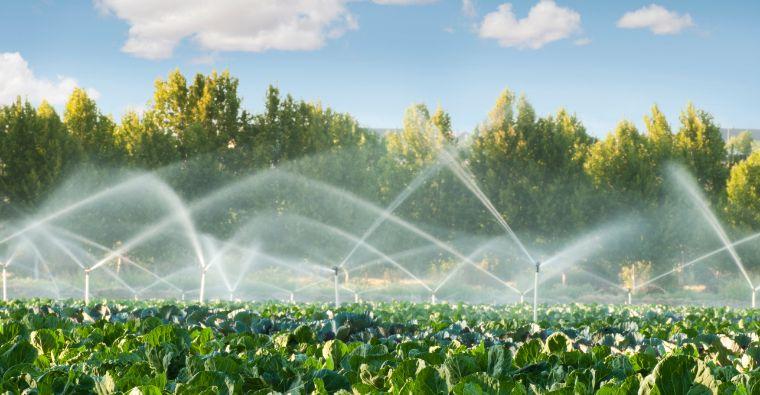
Smart Irrigation Systems
In the ever-evolving world of agriculture, technology plays a crucial role in improving efficiency and productivity. Among the most revolutionary innovations is the advent of smart irrigation systems. These systems are transforming traditional farming methods, conserving water, reducing costs, and increasing crop yields. Let’s explore how smart irrigation systems are changing the game for farmers worldwide.
What is a Smart Irrigation System?
A smart irrigation system uses advanced technology like sensors, weather data, and automated controls to manage water usage efficiently. Unlike conventional irrigation methods, smart systems provide the right amount of water at the right time, reducing waste and optimizing plant health.
Benefits of Smart Irrigation Systems
1. Water Conservation
One of the most significant advantages of smart irrigation is water efficiency. By using real-time weather data and soil moisture sensors, these systems prevent overwatering and minimize water wastage.
2. Cost Savings
Smart irrigation reduces utility bills by optimizing water use. Farmers save money on water and energy costs while maintaining healthy crops.
3. Increased Crop Yield
Proper water management leads to healthier plants and higher productivity. Smart systems ensure crops get the precise amount of water they need for optimal growth.
4. Time Efficiency
Automated irrigation saves time by eliminating the need for manual watering. Farmers can focus on other essential farming activities while the system handles irrigation.
5. Remote Monitoring and Control
With smart irrigation, farmers can monitor and control their systems remotely using mobile apps. This feature allows for quick adjustments based on weather changes or plant needs.
Types of Smart Irrigation Systems
1. Weather-Based Systems
These systems use local weather data to adjust watering schedules, ensuring water is only applied when necessary.
2. Soil Moisture-Based Systems
Soil sensors measure moisture levels and trigger irrigation only when the soil is dry, preventing overwatering.
3. Drip Irrigation Systems
Drip systems deliver water directly to the plant’s roots, reducing evaporation and runoff while maximizing efficiency.
Challenges and Solutions
Despite their benefits, smart irrigation systems come with challenges like high initial costs and technical know-how. However, government subsidies and training programs are making these systems more accessible to farmers.
Smart irrigation systems are undoubtedly a game changer for modern agriculture. By conserving water, reducing costs, and increasing productivity, they empower farmers to adopt sustainable practices and boost their profits. Investing in smart irrigation technology is a step toward a smarter, greener future for farming.