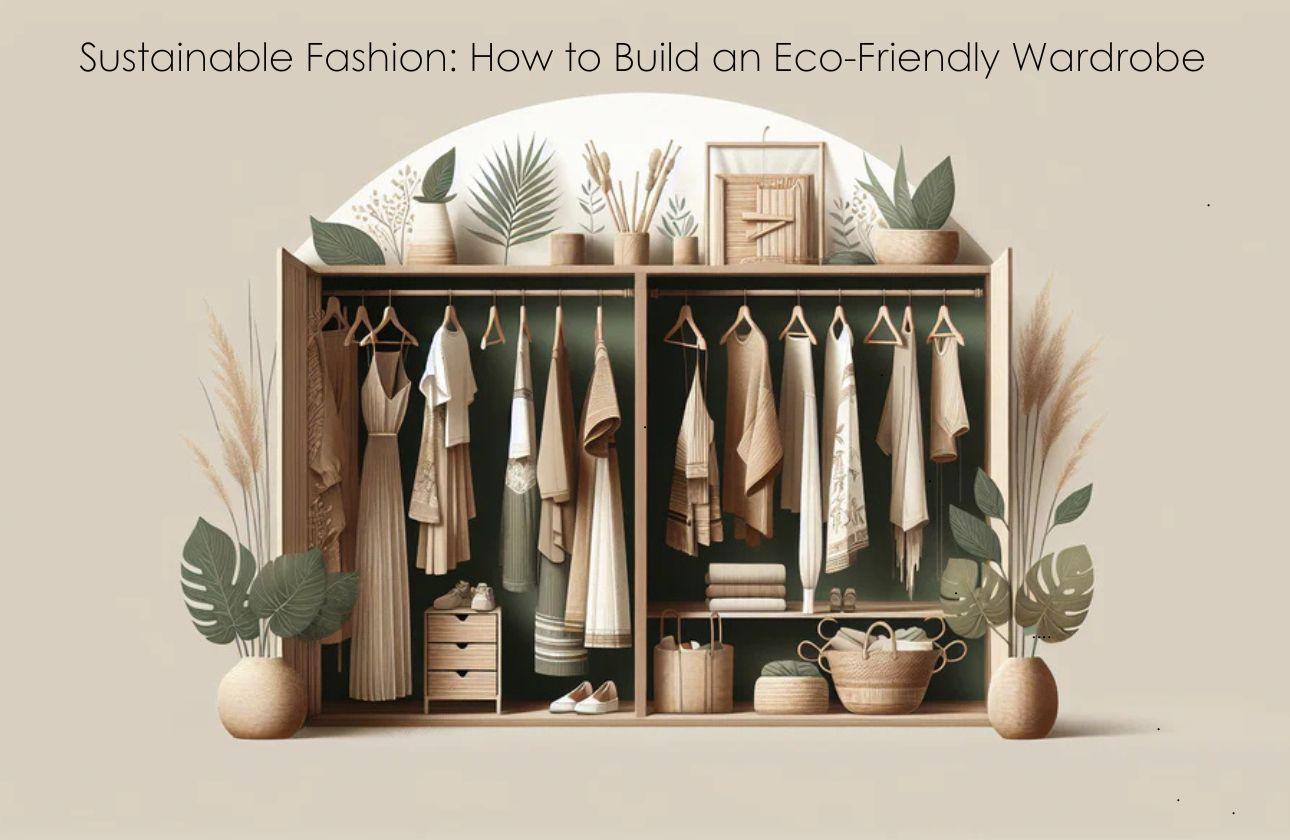
Sustainable Fashion:
Sustainable fashion is more than just a trend—it's a movement towards a greener and more responsible way of dressing. With fast fashion contributing to pollution and unethical labor practices, many people are shifting towards eco-friendly alternatives. But how can you build a sustainable wardrobe without compromising style? In this guide, we’ll walk you through practical steps to create an ethical, stylish, and environmentally friendly closet.
Why Sustainable Fashion Matters
Before diving into the how-to, let's understand why sustainable fashion is crucial:
Reduces Environmental Impact – The fashion industry is one of the largest polluters. Opting for sustainable brands helps conserve water, reduce carbon emissions, and minimize waste.
Supports Ethical Labor Practices – Many fast fashion brands exploit workers with unfair wages and poor working conditions. Sustainable brands prioritize ethical manufacturing.
Promotes Long-Term Savings – High-quality sustainable clothing lasts longer, saving you money in the long run.
1. Invest in Quality Over Quantity
Instead of buying trendy, low-quality clothes that wear out quickly, invest in timeless, durable pieces. Sustainable fabrics like organic cotton, bamboo, hemp, and recycled materials last longer and feel better on your skin.
Pro Tip:
Look for brands that use Fair Trade certified materials to ensure ethical production.
2. Choose Ethical and Sustainable Brands
Not all brands are created equal. Research and support ethical brands that prioritize sustainability. Here are a few well-known sustainable fashion brands:
- Patagonia – Uses recycled materials and promotes ethical labor.
- Reformation – Focuses on sustainable fabrics and transparency.
- Everlane – Known for radical transparency in production and wages.
- People Tree – Fair Trade-certified and supports artisans globally.
How to Identify Sustainable Brands:
Check for certifications like GOTS (Global Organic Textile Standard) and OEKO-TEX®
Look at the brand’s transparency in material sourcing and labor conditions
Avoid brands that produce excessive seasonal collections (a sign of fast fashion)
3. Embrace Second-Hand and Thrift Shopping
Buying pre-loved clothing is one of the most sustainable choices you can make. Thrifting reduces waste, prevents garments from ending up in landfills, and allows you to find unique, vintage pieces.
Best Places to Thrift:
- Local thrift stores and flea markets
- Online platforms like ThredUp, Poshmark, and Depop
- Clothing swap events
4. Adopt a Capsule Wardrobe Approach
A capsule wardrobe consists of versatile, timeless pieces that can be mixed and matched effortlessly. The goal is to reduce the number of items you own while maximizing outfit combinations.
How to Create a Capsule Wardrobe:
Stick to neutral colors for flexibility
Choose high-quality staples like denim, basic tees, and blazers
Focus on multi-purpose pieces that transition across seasons
5. Care for Your Clothes to Extend Their Lifespan
Sustainable fashion isn't just about buying the right items; it’s also about making them last. Proper care extends the life of your clothes, reducing the need for frequent replacements.
Clothing Care Tips:
Wash in cold water to prevent fabric damage
Air dry instead of using a dryer to save energy
Repair small damages instead of discarding clothes
Use eco-friendly detergents
6. DIY & Upcycling: Give Old Clothes a New Life
Get creative by repurposing old clothes instead of discarding them. Some fun DIY ideas include:
Turning an oversized t-shirt into a trendy crop top
Transforming old jeans into stylish shorts
Adding embroidery or fabric patches for a personalized touch
7. Say No to Fast Fashion
Avoid impulsive shopping from fast fashion brands that mass-produce low-quality clothing. Instead, research before purchasing and support brands that align with sustainability values.
Building a sustainable wardrobe is a long-term commitment that benefits both the planet and your personal style. By choosing quality over quantity, supporting ethical brands, embracing second-hand shopping, and taking care of your clothes, you can make a positive impact. Small steps today lead to a more sustainable future!