Healthcare Beyond the Hospital Walls
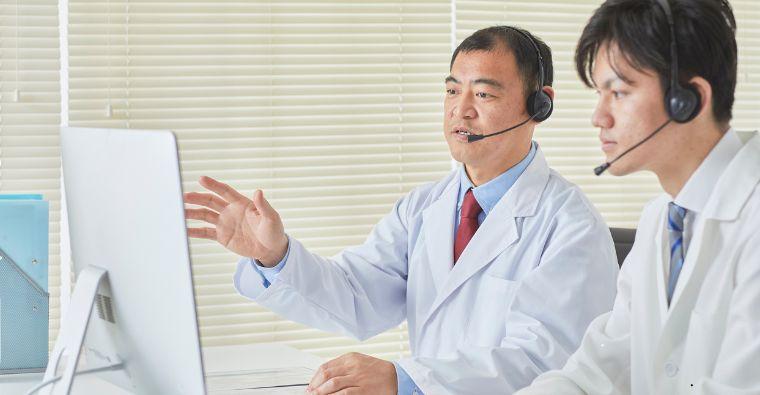
In the vast rural landscapes of India, where villages are scattered and hospitals scarce, access to quality healthcare remains a major challenge. But technology is rewriting that story. Telemedicine—the delivery of healthcare services using telecommunications—has emerged as a game-changer in improving rural healthcare.
From diagnosing chronic conditions to offering mental health support, telemedicine is ensuring that quality medical care is no longer limited by geography.
1. Bridging the Rural-Urban Healthcare Divide
India faces a stark healthcare gap:
- Over 65% of the population lives in rural areas
- Yet, more than 80% of doctors are concentrated in cities
Telemedicine helps bridge this divide by connecting patients in remote villages to doctors in urban centers via smartphones, tablets, or local telehealth centers.
2. Reducing Travel Burdens and Costs
For many rural families, visiting a specialist often means:
- Traveling long distances
- Missing work for several days
- Spending heavily on transportation and lodging
Teleconsultations eliminate these burdens. A simple video call allows patients to consult doctors, get prescriptions, and follow up—all from their own village or local clinic.
3. Empowering Local Health Workers
Telemedicine isn’t just about remote doctors. It empowers:
- Accredited Social Health Activists (ASHAs)
- Anganwadi workers
- Primary Health Centre (PHC) nurses
These local health workers can consult with specialists using mobile apps and share diagnostics and symptoms—enabling early detection and intervention.
4. Addressing Specialist Shortages
Rural areas often lack access to specialists like:
- Cardiologists
- Oncologists
- Psychiatrists
- Pediatricians
Telemedicine networks allow these specialists to remotely diagnose and advise without physically being in the village—thus democratizing expert care.
5. Supporting Mental Health in Underserved Regions
Mental health is still a taboo topic in many rural parts of India. Lack of access, stigma, and poor infrastructure make treatment even harder.
Through anonymous teletherapy, mental health professionals can reach patients confidentially, offering:
- Counseling sessions
- Suicide prevention support
- Treatment for anxiety, depression, and trauma
6. Driving Preventive Healthcare and Awareness
Many telehealth apps and services now include:
- Health education content in regional languages
- Preventive care tips
- Reminders for vaccinations or checkups
This empowers rural populations to take proactive steps in managing their health, leading to reduced long-term health costs.
7. Challenges Still to Overcome
While telemedicine is promising, it’s not without hurdles:
- Poor internet connectivity in remote villages
- Low digital literacy among patients and health workers
- Trust issues with virtual doctors
- Regulatory and legal complexities
However, ongoing government initiatives like Ayushman Bharat Digital Mission and growing telecom penetration are addressing many of these gaps.
8. Real-World Impact: A Village Transformed
In Maharashtra’s Melghat region, a mobile telemedicine van visits tribal villages twice a week. Local women get prenatal care without leaving their homes. Elderly patients consult cardiologists from Pune via video.
Stories like this are no longer rare—they are becoming common.
Telemedicine Is Not Just Tech—It’s Lifesaving Access
In rural India, where seeing a doctor can feel like a luxury, telemedicine turns that luxury into a basic right.
As infrastructure improves and awareness spreads, the digital stethoscope is becoming just as important as the physical one.
Telemedicine is not just a trend—it’s the future of inclusive, affordable, and accessible healthcare.