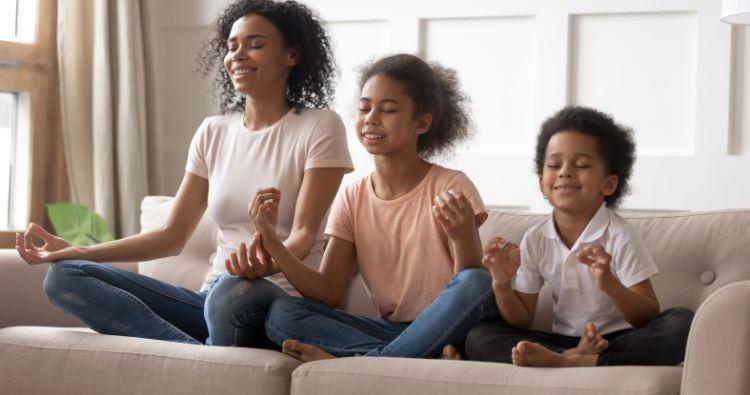
Improved Focus and Concentration
Mindfulness encourages children to be present in the moment, which can enhance their ability to concentrate on tasks, whether in school or at home. Regular mindfulness practice can help children develop better attention spans and reduce distractions.
Emotional Regulation
Teaching kids mindfulness helps them recognize and manage their emotions. By practicing mindfulness, children learn to observe their feelings without judgment, enabling them to respond to challenges calmly and thoughtfully rather than reactively.
Reduced Anxiety and Stress
Mindfulness practices such as deep breathing, meditation, and yoga can significantly reduce anxiety levels in children. These techniques promote relaxation and provide coping strategies for managing stress, helping kids feel more grounded and secure.
Enhanced Resilience
Mindfulness can foster resilience in children by encouraging a growth mindset. When faced with difficulties, children who practice mindfulness are more likely to approach challenges with a positive attitude and a belief in their ability to overcome obstacles.
Better Social Skills
Practicing mindfulness helps children develop empathy and compassion. By becoming more aware of their own feelings, kids can better understand the emotions of others, leading to improved relationships and communication skills.
Promotion of Healthy Habits
Mindfulness can encourage healthier lifestyle choices in children. By being more in tune with their bodies, kids are more likely to recognize hunger cues, leading to better eating habits. Additionally, mindfulness can promote physical activity through yoga or mindful walking.
Boosted Creativity
Mindfulness practices allow children to tap into their imagination and creativity. By fostering a calm and open mindset, kids can think more freely, explore new ideas, and express themselves artistically.
Improved Academic Performance
The ability to focus, manage stress, and regulate emotions positively influences academic success. Mindfulness can lead to better performance in school, as children who practice mindfulness tend to have higher grades and improved test scores.
How to Introduce Mindfulness to Kids
Mindful Breathing: Teach children simple breathing exercises, such as taking deep breaths while counting to four, holding for four, and exhaling for four.
Guided Meditation: Use age-appropriate guided meditation apps or videos to help children practice mindfulness in a fun way.
Nature Walks: Encourage mindful walking in nature, where kids can observe their surroundings and focus on the sights, sounds, and smells around them.
Yoga for Kids: Incorporate fun and simple yoga poses that help kids connect with their bodies and relax their minds.
Mindfulness Games: Engage children in games that promote awareness and focus, such as “I Spy” or mindful listening activities.