

The Evolution of the iPhone: How Apple Redefined the Smartphone Experience
Explore how Apple’s iPhone evolved from a simple phone to a global tech icon. Learn about its design, innovation, and lasting impact on the smartphone industry.
When Apple introduced the first iPhone in 2007, it didn’t just launch a phone—it started a revolution. Over the years, the iPhone has transformed from a sleek communication device into a powerful ecosystem that connects every part of our digital lives.
From photography to performance, design to innovation, each generation of iPhone continues to push the boundaries of what’s possible. Let’s take a look at how Apple redefined the smartphone experience and why the iPhone remains a symbol of innovation and elegance.
1. A Revolution That Started It All
When Steve Jobs unveiled the first iPhone, he described it as “an iPod, a phone, and an Internet communicator—all in one.”
That moment changed technology forever.
- The iPhone replaced buttons with a multi-touch screen, making navigation intuitive.
- It introduced a full web browser and access to apps, setting the foundation for the modern smartphone.
- It marked the beginning of mobile innovation that inspired the entire tech industry.
The iPhone didn’t just compete—it defined the standard.
2. Design That Blends Beauty and Simplicity
Apple’s design philosophy has always been about minimalism and precision.
- Sleek aluminum and glass builds set a new benchmark for smartphone aesthetics.
- The transition from the home button to Face ID created a seamless full-screen experience.
- Each design evolution—thinner bodies, stronger materials, and vibrant displays—reflects Apple’s pursuit of perfection.
Every iPhone feels more than a device; it feels like an extension of its user.
3. The Power of the Apple Ecosystem
What makes the iPhone truly unique is how effortlessly it integrates with other Apple products.
- iCloud syncs photos, contacts, and data across all devices.
- AirPods, Apple Watch, and MacBooks connect instantly for a unified experience.
- Features like Handoff, AirDrop, and Continuity Camera make life simpler and smarter.
This interconnected world is what keeps iPhone users loyal—it’s not just about owning a phone, it’s about belonging to an ecosystem.
4. Redefining Mobile Photography
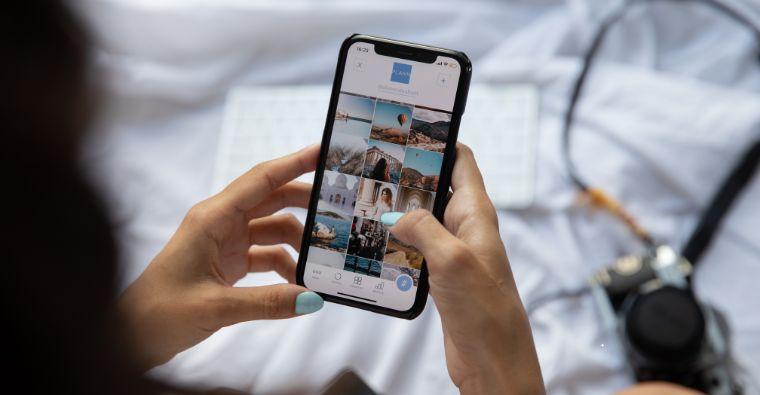
Apple has turned the iPhone into one of the most powerful cameras in the world.
- Each new model introduces advanced sensors, AI image processing, and cinematic video capabilities.
- Features like Portrait Mode, Night Mode, and Deep Fusion bring professional-quality photos to your pocket.
- The iPhone’s focus on realistic colors and natural lighting has made it the preferred choice for content creators.
📸 The iPhone isn’t just for taking photos—it’s for capturing life beautifully.
5. Innovation Through Technology
The iPhone continues to set benchmarks in innovation:
- A-Series chips lead the industry in performance and efficiency.
- Face ID redefined smartphone security with facial recognition.
- 5G connectivity and MagSafe accessories added new layers of convenience.
- Recent features like Dynamic Island and Action Button show how Apple blends creativity with functionality.
Apple’s true innovation lies in how seamlessly it merges hardware and software.
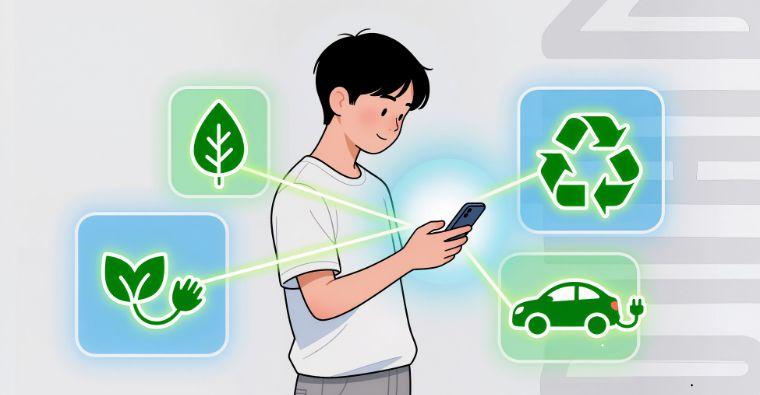
6. Sustainability and the Future of iPhone
Apple’s commitment to sustainability is shaping the next era of iPhones.
- Devices now use recycled aluminum, gold, and rare earth materials.
- The company aims to be carbon neutral by 2030.
- Longer software support extends device lifespans and reduces e-waste.
The iPhone of the future isn’t just smarter—it’s greener.
The iPhone is more than a gadget—it’s a symbol of design excellence, innovation, and human connection. With every generation, Apple reminds the world that technology can be both powerful and personal.
From transforming communication to inspiring creativity, the iPhone continues to shape the way we live, work, and dream. And if history is any guide, the best is yet to come.
Leave a comment
Your email address will not be published. Required fields are marked *