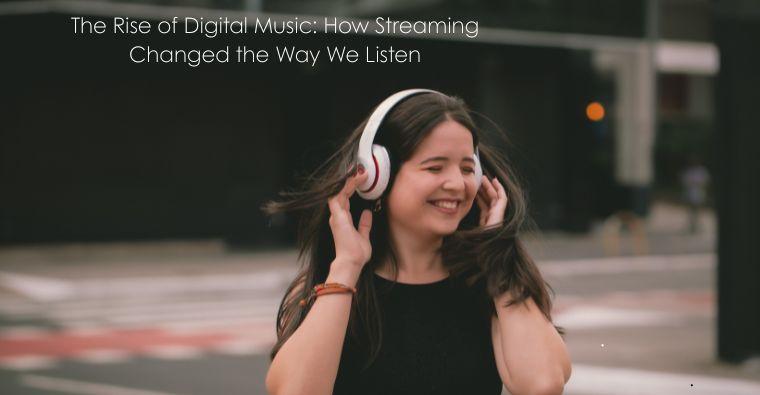
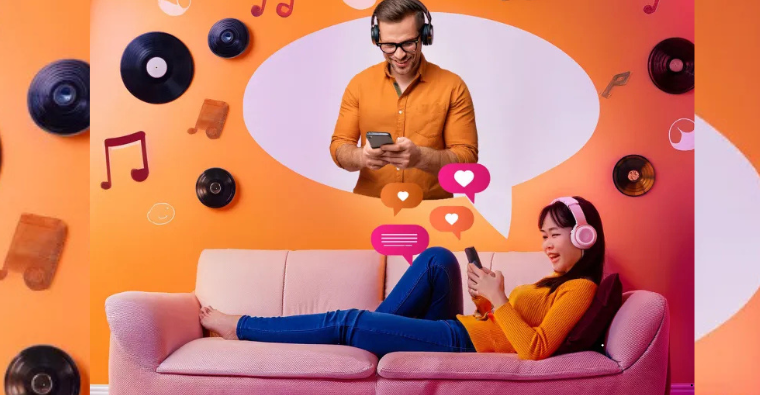
Music has always been a universal language—but the way we consume it has changed dramatically over the years. From vinyl records and cassette tapes to CDs and MP3s, each era transformed how we discovered and enjoyed music. Today, streaming platforms like Spotify, Apple Music, and YouTube Music have completely redefined the listening experience.
The rise of digital music isn’t just about technology—it’s about accessibility, personalization, and global connection. Let’s explore how streaming has reshaped the music industry and the way we listen.
1. Unlimited Access Anytime, Anywhere
- No need to buy albums or store thousands of MP3 files.
- Millions of tracks are available instantly with just an internet connection.
- Example: You can switch from classical to hip-hop within seconds.
2. Personalized Playlists and Recommendations
- AI-powered algorithms suggest music based on your listening habits.
- Curated playlists keep users engaged and discovering new artists.
- Tip: Explore “Discover Weekly” or “Release Radar” on Spotify for fresh finds.
3. The Shift from Ownership to Access
- In the past, fans bought physical albums or downloads.
- Now, listeners pay for access through subscriptions rather than ownership.
- This shift reflects a broader digital trend across industries (movies, books, software).
4. Empowering Independent Artists
- Streaming platforms give smaller artists a global stage without record labels.
- Social sharing helps unknown musicians go viral overnight.
- Example: Artists like Billie Eilish gained momentum through digital releases.
5. Global Music Discovery
- Genres like K-pop, Afrobeat, and Latin pop are now mainstream globally.
- Streaming breaks down borders, making cross-cultural collaboration easier.
- Tip: Follow “Global Top 50” charts to experience trending international hits.
6. Challenges in the Streaming Era
- Artist Earnings: Low per-stream payouts raise debates about fair compensation.
- Market Saturation: With so much music, it’s harder for new artists to stand out.
- Dependence on Algorithms: Artists often feel pressured to “fit” into recommendation systems.
7. The Future of Digital Music
- Expect more AI-generated music and hyper-personalized listening.
- Virtual concerts and immersive music experiences through VR/AR.
- Stronger discussions around fair pay models for creators.
The rise of digital music and streaming has given listeners unparalleled access, personalization, and diversity. While challenges remain for artists, streaming has democratized music and connected cultures worldwide like never before.
Music isn’t just something we own anymore—it’s something we live, share, and experience daily.