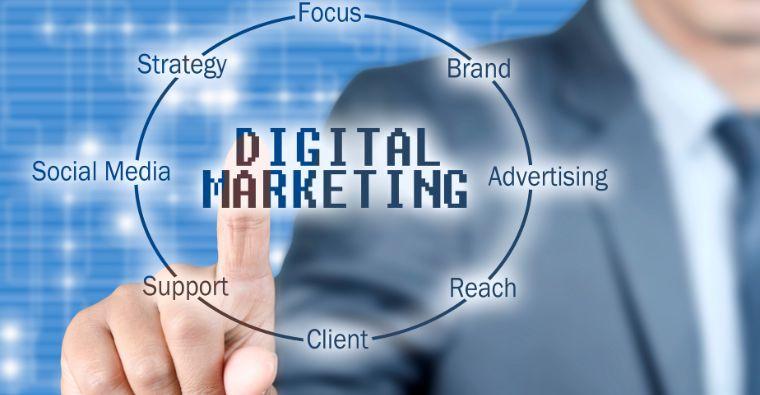
The AI Marketing Revolution
In 2025, digital marketing is undergoing a profound transformation, driven by the power of artificial intelligence (AI). From automating repetitive tasks to delivering hyper-personalized customer experiences, AI is reshaping how brands engage with audiences and drive business growth. This ultimate guide to AI-driven digital marketing will help you navigate this evolving landscape.
1. What Is AI-Driven Digital Marketing?
AI-driven marketing leverages:
Machine learning for predictive insights
Natural language processing (NLP) for personalized messaging
Automation tools to streamline campaigns
This enables brands to deliver the right message, to the right audience, at the right time—at scale.
2. Benefits of AI in Digital Marketing
Personalization at Scale: AI analyzes vast data to create tailored content, offers, and experiences for each user.
Efficiency: Automate tasks like ad placement, email marketing, and content creation.
Real-Time Insights: Get instant feedback on campaign performance and customer behavior.
Cost Savings: Optimize ad spend and reduce manual labor.
Improved ROI: Enhanced targeting and timing drive higher conversion rates.
3. Key AI Applications in Digital Marketing
AI-Powered Content Creation
Tools like Jasper and Copy.ai generate blog posts, social media captions, and ad copy based on brand tone and goals.
Predictive Analytics
AI predicts customer behaviors, product demand, and churn risks, enabling proactive strategies.
Chatbots and Virtual Assistants
AI chatbots handle customer queries 24/7, improving response times and satisfaction.
Programmatic Advertising
Automated ad buying uses AI to optimize placement and bidding in real time, maximizing ad effectiveness.
Email Marketing Automation
AI tools segment audiences, personalize messages, and schedule campaigns for maximum impact.
Visual Recognition and Search
AI enhances image recognition for visual search, making platforms like Pinterest and Instagram more powerful for discovery.
4. Steps to Implement AI-Driven Marketing
Assess Needs: Identify marketing tasks that can benefit from AI.
Choose the Right Tools: Invest in platforms that align with goals (e.g., HubSpot, Salesforce Einstein, Adobe Sensei).
Integrate Data Sources: Centralize data for comprehensive customer insights.
Test and Optimize: Run pilot campaigns, analyze results, and refine strategies.
Upskill Your Team: Equip marketing teams with AI knowledge and tools.
5. Challenges to Consider
Data Privacy: Ensure compliance with regulations like GDPR and CCPA.
Quality Control: AI-generated content requires human oversight.
Integration Complexity: AI tools must seamlessly integrate with existing systems.
Cost: Initial investment in AI solutions can be significant.
6. Future Trends in AI Marketing
Voice Search Optimization: More users are using voice assistants like Alexa and Google Assistant.
Hyper-Personalization: AI will offer dynamic, real-time personalization based on context and behavior.
AI-Generated Video Content: Automated video creation tools will become mainstream.
Augmented Reality (AR) and AI: AR campaigns driven by AI will create immersive brand experiences.
Embrace AI for Marketing Success
AI is no longer optional—it’s essential for digital marketing success in 2025 and beyond. By adopting AI tools and strategies, businesses can drive engagement, enhance customer experiences, and achieve unprecedented growth. The future of marketing is here—and it’s powered by AI.