A Glimpse into History: The Temples of Kyoto
Kyoto is home to over 1,600 temples, each with its own unique story and architectural beauty. Among these, Kinkaku-ji, also known as the Golden Pavilion, stands out as one of the most iconic landmarks. This Zen Buddhist temple, covered in gold leaf, reflects beautifully in the surrounding pond, creating a picturesque scene that captivates visitors year-round. The serene gardens surrounding Kinkaku-ji invite visitors to take leisurely strolls and appreciate the harmony of nature and architecture.
Another significant temple is Fushimi Inari Taisha, famous for its thousands of vermilion torii gates that wind up the sacred Mount Inari. Each gate is donated by individuals or businesses, inscribed with their names, making the hike up the mountain a symbolic journey of gratitude and hope. Walking through the tunnel of torii gates is a mystical experience, especially at sunrise or sunset when the light filters through the gates, casting a warm glow.
Embracing Tradition: Tea Houses and Ceremonies
No visit to Kyoto would be complete without experiencing the traditional Japanese tea ceremony. The city's tea houses, often located in serene gardens, provide an authentic setting to partake in this centuries-old ritual. The ceremony emphasizes mindfulness, respect, and tranquility, allowing participants to appreciate the artistry of tea preparation.
Nanzen-ji, a sprawling temple complex, is also home to several tea houses where visitors can enjoy matcha (green tea) in a peaceful environment. The simplicity and elegance of the tea ceremony reflect the essence of Japanese culture, making it a memorable experience for anyone visiting Kyoto.
The Beauty of Nature: Kyoto's Gardens
Kyoto's gardens are a harmonious blend of natural beauty and meticulous design, showcasing the changing seasons and the artistry of Japanese landscaping. Shoren-in, a temple renowned for its stunning gardens, offers visitors a tranquil retreat with its carefully manicured landscapes and picturesque views.
The Arashiyama Bamboo Grove is another breathtaking natural wonder that should not be missed. Walking through the towering bamboo stalks creates a sense of serenity and connection to nature. The gentle rustling of the bamboo in the breeze adds to the calming atmosphere, making it a perfect spot for reflection and photography.
Culinary Delights: Exploring Kyoto's Gastronomy
Kyoto is also famous for its culinary offerings, particularly kaiseki, a traditional multi-course meal that emphasizes seasonal ingredients and artistic presentation. Many restaurants in the city serve kaiseki, allowing diners to savor the delicate flavors and aesthetics of Japanese cuisine.
Nishiki Market, often referred to as "Kyoto's Kitchen," is a bustling marketplace where visitors can explore a variety of local delicacies, snacks, and fresh produce. Sampling seasonal treats such as yudofu (tofu hot pot) and matcha-flavored sweets provides a delicious glimpse into Kyoto's rich culinary heritage.
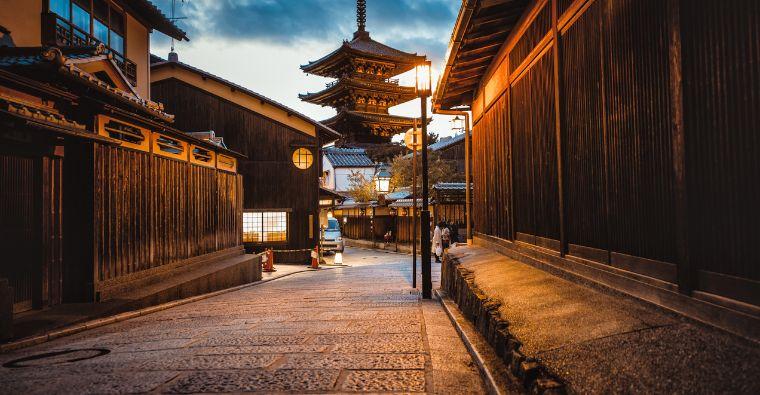
Kyoto, Japan, is a city that beautifully encapsulates the essence of Japanese culture, history, and natural beauty. From the stunning temples and serene gardens to the traditional tea houses and exquisite cuisine, every corner of Kyoto offers a unique experience for travelers. Whether you are seeking spiritual enlightenment, cultural immersion, or simply a moment of tranquility, Kyoto promises to leave a lasting impression on all who visit. As you wander through its historic streets, you will undoubtedly feel the weight of history and the warmth of a culture that continues to thrive in the modern world.