The Importance of Website Analytics
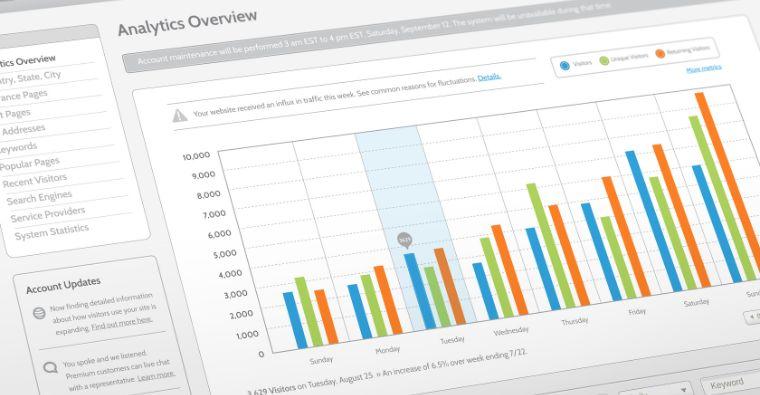
Website analytics help you understand how visitors interact with your site, which pages they visit, and where they drop off. According to a report by Google, businesses that utilize data analytics see an average of 5-10% increase in conversion rates. Understanding these metrics is essential for refining marketing strategies, improving user engagement, and ultimately increasing revenue.
Popular Analytics Tools
Several analytics tools are available, each offering unique features:
Google Analytics: The most widely used web analytics tool, Google Analytics provides comprehensive data about user behavior, traffic sources, and conversion tracking. It offers real-time data and customizable reports, making it suitable for both beginners and advanced users.
Adobe Analytics: This enterprise-level solution offers advanced segmentation and predictive analytics. It’s ideal for larger businesses with more complex data needs.
Matomo (formerly Piwik): An open-source analytics platform that gives users full control over their data. It focuses on privacy and can be self-hosted, making it a great option for those concerned about data security.
Hotjar: Unlike traditional analytics tools, Hotjar focuses on user behavior through heatmaps and session recordings. This allows website owners to visually understand how users interact with their site.
Key Metrics to Track
When using analytics tools, several key performance indicators (KPIs) are essential to monitor:
Traffic Sources: Understanding where your visitors come from (organic search, paid ads, social media, etc.) helps identify effective marketing channels.
Bounce Rate: This metric shows the percentage of visitors who leave the site after viewing only one page. A high bounce rate may indicate that the landing page is not engaging or relevant to users.
Average Session Duration: This measures how long users stay on your site. Longer sessions generally indicate that users find your content valuable.
Conversion Rate: Tracking how many visitors complete a desired action (e.g., making a purchase, signing up for a newsletter) is crucial for measuring success.
Techniques for Analyzing Data
Once data is collected, it's essential to analyze it effectively:
Segmenting Data: Breaking down data into segments (e.g., new vs. returning visitors, device type) allows for a more in-depth understanding of user behavior.
A/B Testing: This technique involves comparing two versions of a web page to see which one performs better. It helps optimize design, content, and user experience based on real user data.
Setting Goals: Defining specific goals within your analytics tool allows you to measure progress towards objectives, such as increasing newsletter sign-ups or product purchases.
Utilizing Insights for Improvement
The ultimate goal of website analytics is to apply insights for continuous improvement. Regularly reviewing analytics reports can help identify trends, track the effectiveness of marketing campaigns, and make data-driven decisions. According to HubSpot, businesses that leverage analytics are 5 times more likely to make faster decisions than their competitors.
Understanding website analytics is essential for anyone looking to enhance their online presence. By utilizing the right tools and techniques, website owners can gain valuable insights into user behavior, optimize their site for better performance, and ultimately drive growth. Staying informed about analytics best practices will enable businesses to adapt and thrive in an ever-evolving digital landscape.