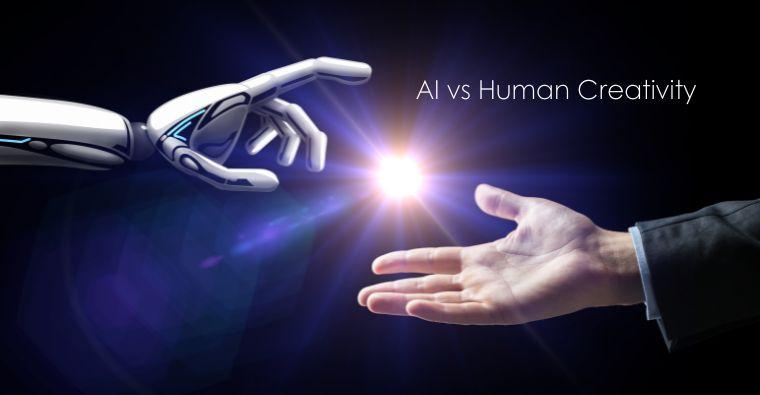
Explore the fascinating debate of AI vs human creativity. Can machines truly think like us, or is human ingenuity irreplaceable? Discover the future of AI-generated content and human innovation.
AI vs Human Creativity
Artificial Intelligence (AI) has made incredible strides in recent years, sparking debates on whether machines can truly replicate human creativity. As AI tools generate art, music, and even written content, the question arises: Can AI think like us, or is human creativity irreplaceable? Let’s explore the boundaries of machine intelligence and human ingenuity.
Understanding Human Creativity
Human creativity is a blend of imagination, emotion, experience, and originality. It draws from cultural context, personal insights, and the ability to innovate beyond existing knowledge. Whether crafting a novel, painting a masterpiece, or inventing groundbreaking technology, human creativity often involves intuition and emotional depth.
How AI Mimics Creativity
AI creativity is driven by data, algorithms, and pattern recognition. Tools like GPT-4, DALL·E, and music-composing AI analyze vast datasets to generate new content based on learned patterns. While AI can produce impressive results, it does so by remixing existing information rather than generating truly original ideas.
Examples of AI Creativity:
Art: AI-generated paintings inspired by famous artists.
Music: Algorithms composing symphonies and pop songs.
Writing: AI drafting articles, stories, and scripts.
Key Differences Between AI and Human Creativity
Aspect
Human Creativity
AI Creativity
Originality
Truly original ideas
Data-driven imitation
Emotional Depth
Rich emotional context
Lacks genuine emotion
Cultural Insight
Informed by lived experience
Limited to training data
Adaptability
Flexible and spontaneous
Rule-based and programmed
Can AI Think Like Humans?
Despite its sophistication, AI lacks consciousness, self-awareness, and emotional intelligence. It processes data efficiently but doesn’t possess curiosity, intuition, or personal experiences. These human traits are crucial for creative breakthroughs and authentic expression.
The Future of AI and Human Collaboration
Rather than replacing human creativity, AI serves as a powerful tool to enhance it. AI can handle repetitive tasks, analyze trends, and offer inspiration, allowing humans to focus on innovation and emotional storytelling.
Potential Collaborations:
Design: AI generates ideas, humans refine and personalize them.
Music Production: AI suggests compositions, artists add emotion and style.
Content Creation: AI drafts outlines, writers infuse voice and depth.
The Unique Power of Human Creativity
While AI can mimic certain aspects of creativity, it falls short of capturing the essence of human thought and emotion. Machines may assist and inspire, but true creativity remains a distinctly human trait. The future lies in the collaboration between human ingenuity and AI’s capabilities.
Hi, I’m Pamela Labadie, Your Blogging Journey Guide 🖋️. Writing, one blog post at a time, to inspire, inform, and ignite your curiosity. Join me as we explore the world through words and embark on a limitless adventure of knowledge and creativity. Let’s bring your thoughts to life on these digital pages. 🌟 #BloggingAdventures
Leave a comment
Your email address will not be published. Required fields are marked *
Your experience on this site will be improved by allowing cookies.