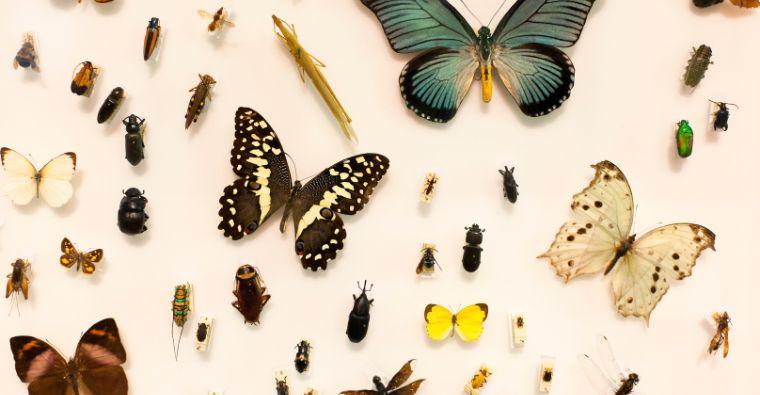
Diversity and Classification
Insects are the most diverse group of animals on Earth, with over a million described species and many more yet to be discovered. They belong to the class Insecta within the phylum Arthropoda, characterized by their exoskeleton, segmented bodies, and jointed appendages. The main groups of insects include:
Coleoptera (Beetles)
Beetles are the largest order of insects, comprising about 40% of all known insect species. They are easily recognizable by their hard, shell-like wing covers.
Lepidoptera (Butterflies and Moths)
Known for their colorful wings and metamorphic life cycle, butterflies and moths are some of the most visually striking insects.
Hymenoptera (Bees, Wasps, and Ants)
This group is essential for pollination and includes social insects like bees and ants, known for their complex colony structures.
Diptera (Flies and Mosquitoes)
Flies and mosquitoes are known for their single pair of wings and significant impact on human health and agriculture.
Hemiptera (True Bugs)
True bugs have specialized mouthparts for piercing and sucking, and they include species like aphids, cicadas, and bed bugs.
Adaptations and Survival Strategies
Insects have evolved a myriad of adaptations that enable them to survive and thrive in diverse environments:
Camouflage and Mimicry
Many insects use camouflage to blend into their surroundings, avoiding predators. Others mimic the appearance of more dangerous organisms to deter threats.
Metamorphosis
Insects like butterflies undergo complete metamorphosis, transforming from larvae to pupae to adults. This adaptation allows them to exploit different ecological niches throughout their life cycle.
Social Structures
Social insects such as bees, ants, and termites exhibit complex colony structures with division of labor, enhancing their survival and efficiency.
Chemical Defenses
Some insects produce toxins or foul-tasting chemicals to ward off predators. For example, monarch butterflies store toxic compounds from milkweed plants they consumed as caterpillars.
Ecological Roles
Insects play indispensable roles in ecosystems:
Pollination
Bees, butterflies, and other pollinators are vital for the reproduction of many flowering plants, including important crops like fruits and vegetables.
Decomposition
Insects like beetles and flies help break down dead organic matter, recycling nutrients back into the ecosystem.
Pest Control
Predatory and parasitic insects regulate the populations of other insects, maintaining ecological balance. Ladybugs, for instance, are natural predators of aphids.
Food Source
Insects are a crucial part of the food web, serving as a primary food source for many birds, amphibians, reptiles, and mammals.
Remarkable Insect Behaviors
Migration
The monarch butterfly is famous for its long-distance migration, traveling thousands of miles between North America and Mexico.
Bioluminescence
Fireflies produce light through a chemical reaction in their abdomens, using it to attract mates and deter predators.
Complex Communication
Ants use pheromones to communicate and coordinate their activities, such as foraging and defending the colony.
Insects and Humans
Insects have a significant impact on human life, both positive and negative:
Agricultural Benefits
Pollinators like bees are essential for crop production, while predatory insects help control agricultural pests.
Medical Advances
Insect research has led to medical breakthroughs, including the development of painkillers from the venom of certain insects.
Challenges
Pests like mosquitoes and locusts can cause health issues and agricultural damage, highlighting the need for effective pest management strategies.
Conservation and Future Outlook
The importance of insects to ecosystems and human life underscores the need for their conservation. Habitat loss, climate change, and pesticide use are major threats to insect populations. Efforts to protect natural habitats, promote sustainable agriculture, and reduce pesticide use are crucial for preserving insect diversity.