Spring Gardening Tips
Soil Preparation:
Start by testing your soil's pH and nutrient levels. Amend the soil as necessary with compost, manure, or organic fertilizers to ensure it's fertile and ready for planting.
Planting:
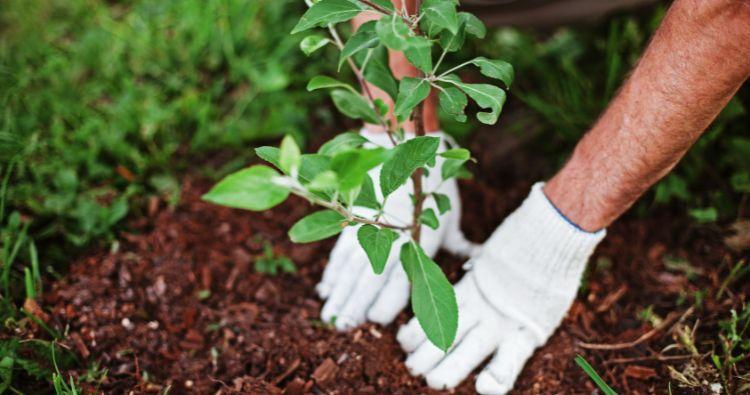
Begin sowing seeds indoors or directly in the ground for cool-season crops like lettuce, spinach, and peas. Once the danger of frost has passed, you can transplant seedlings and plant warm-season crops like tomatoes, peppers, and cucumbers.
Pruning:
Prune flowering shrubs and trees after they bloom to promote healthy growth and encourage more flowers next season. Remove dead or damaged branches from all plants.
Mulching:
Apply a layer of mulch around your plants to help retain moisture, suppress weeds, and regulate soil temperature.
Pest Control:
Keep an eye out for early signs of pests and diseases. Use organic pest control methods like neem oil, insecticidal soap, or introducing beneficial insects.
Watering:
Ensure your garden receives adequate water, but avoid overwatering. Early morning watering is best to reduce evaporation and allow plants to dry before evening, which helps prevent disease.
Summer Gardening Tips
Watering:
Increase watering frequency as temperatures rise. Deep watering is preferable to ensure roots grow deeper and plants are more drought-resistant.
Mulching:
Replenish mulch to conserve moisture, keep roots cool, and continue to suppress weeds.
Fertilizing:
Feed your plants with a balanced fertilizer to support their growth and fruit production. Be cautious not to over-fertilize, which can lead to excessive foliage at the expense of fruit and flowers.
Pest and Disease Management:
Monitor plants for signs of stress, pests, and diseases. Remove any affected leaves or plants promptly to prevent the spread of problems.
Harvesting:
Regularly harvest vegetables and fruits to encourage continued production. This also prevents produce from becoming overripe and attracting pests.
Shade and Protection:
Provide shade for delicate plants during the hottest part of the day using shade cloths or garden umbrellas. Protect plants from strong winds and storms if necessary.
Autumn Gardening Tips
Planting:
Fall is an excellent time to plant cool-season crops like kale, broccoli, and carrots. You can also plant bulbs for spring-blooming flowers like tulips and daffodils.
Soil Improvement:
Add compost or manure to your garden beds to improve soil structure and fertility for the next growing season.
Pruning and Cleanup:
Prune dead or diseased plant material and clean up fallen leaves and debris to prevent pests and diseases from overwintering in your garden.
Mulching:
Apply a thick layer of mulch to protect plant roots from freezing temperatures and reduce soil erosion.
Lawn Care:
Rake fallen leaves and aerate your lawn to promote healthy growth. Apply a fall fertilizer to help your lawn recover from the summer heat and prepare for winter.
Winter Preparation:
Prepare your garden for winter by covering sensitive plants, draining irrigation systems, and storing garden tools and equipment properly.
Winter Gardening Tips
Protecting Plants:
Use row covers, cloches, or cold frames to protect cold-sensitive plants from frost and extreme temperatures. Mulch around perennials to insulate their roots.
Indoor Gardening:
Bring potted plants indoors or grow herbs and leafy greens in containers on windowsills. Consider using grow lights to provide adequate light for indoor plants.
Planning:
Use the winter months to plan your garden for the next year. Research new plant varieties, design garden layouts, and order seeds and supplies early.
Maintenance:
Clean and sharpen garden tools, repair or replace damaged equipment, and organize your gardening shed or storage area.
Pruning:
Prune dormant trees and shrubs to shape them and remove any dead or diseased branches. This encourages healthy growth in the spring.
Wildlife Support:
Provide food and water sources for birds and other wildlife. Install bird feeders, water baths, and nesting boxes to support local wildlife during the colder months.
By adjusting your gardening practices to suit each season, you can enjoy a vibrant and productive garden year-round. Whether you’re planting new crops in the spring, maintaining your garden in the summer, preparing for the next growing season in the fall, or protecting your plants in the winter, these tips will help you make the most of your gardening efforts.