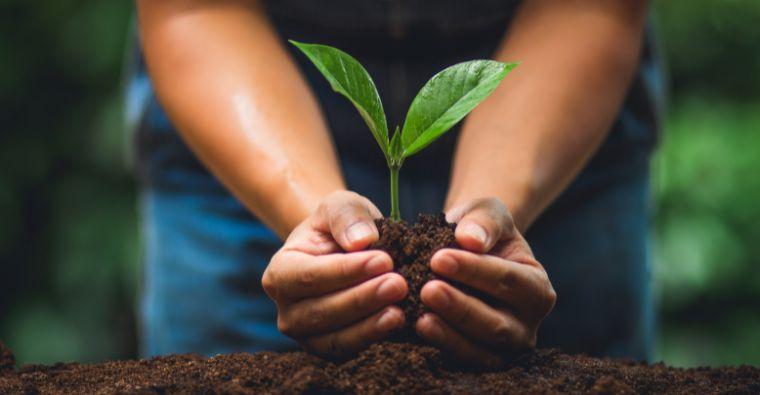
Tips for Planting Trees
Choose the Right Tree:
Consider the climate, soil type, and available space. Native species are often the best choice as they thrive in the local environment and support local wildlife.
Select the Right Location:
Ensure the tree has enough space to grow both above and below ground. Avoid planting too close to buildings, sidewalks, or other trees.
Planting Time:
The best time to plant trees is during the dormant season (late fall to early spring). This allows the roots to establish before the growing season.
Prepare the Soil:
Dig a hole that is twice as wide as the tree's root ball but no deeper than the root ball itself. Loosen the soil around the hole to encourage root growth.
Planting the Tree:
Remove the tree from its container and gently tease out any tightly bound roots. Place the tree in the center of the hole, ensuring it’s straight, and backfill with soil, lightly tamping down to eliminate air pockets.
Watering:
Water the tree thoroughly after planting. Establish a regular watering schedule, especially during the first few years, to ensure proper growth.
Mulching:
Apply a layer of mulch around the base of the tree to retain moisture, suppress weeds, and regulate soil temperature. Keep the mulch a few inches away from the trunk to prevent rot.
Pruning:
Prune the tree to remove any dead or damaged branches. This promotes healthy growth and helps shape the tree as it matures.
Monitoring:
Keep an eye on your tree’s health. Look for signs of stress, pests, or diseases, and address them promptly.
Benefits of Planting Trees
Environmental Benefits:
Trees absorb carbon dioxide and release oxygen, improving air quality. They also reduce soil erosion, enhance biodiversity, and provide habitats for wildlife.
Climate Regulation:
Trees help regulate temperatures in urban areas, providing shade and reducing the heat island effect. They also contribute to climate resilience by reducing the risk of flooding and mitigating stormwater runoff.
Health Benefits:
Spending time in green spaces has been linked to improved mental health, reduced stress, and increased physical activity. Trees also filter pollutants, leading to cleaner air.
Aesthetic Value:
Trees enhance the beauty of landscapes, adding character and charm to neighborhoods. Well-placed trees can increase property values and attract potential buyers.
Economic Benefits:
Trees can reduce energy costs by providing shade in the summer and windbreaks in the winter. They also boost local economies by attracting tourism and enhancing the overall livability of an area.
Community Engagement:
Tree planting initiatives foster community spirit and collaboration. Engaging in such activities can strengthen social ties and promote environmental stewardship.
Educational Opportunities:
Planting trees can serve as an educational experience for children and adults alike, raising awareness about the importance of nature and conservation.