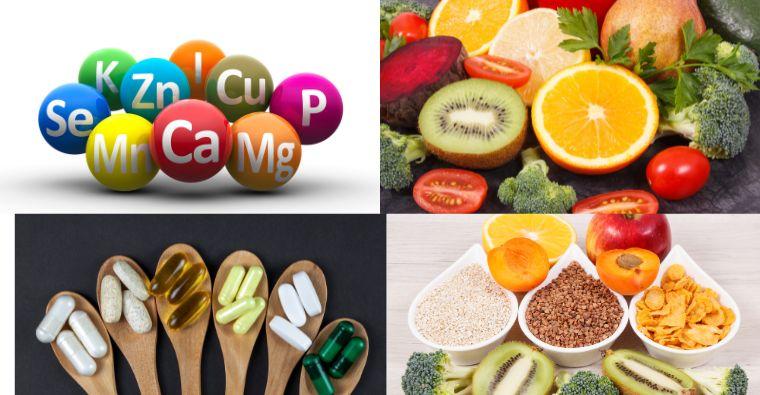
Understanding the importance of these micronutrients can help us make better dietary choices and improve our health outcomes.
What Are Vitamins and Minerals?
Vitamins are organic compounds that are necessary in small amounts for various metabolic processes. They are divided into two categories: water-soluble and fat-soluble. Water-soluble vitamins (like Vitamin C and the B-complex vitamins) need to be consumed regularly since they are not stored in the body. Fat-soluble vitamins (such as Vitamins A, D, E, and K) can be stored in the body's fatty tissues.
Minerals, on the other hand, are inorganic elements that come from the earth and water. They are also essential for various bodily functions and can be classified into major minerals (like calcium, potassium, and magnesium) and trace minerals (such as iron, zinc, and selenium).
The Importance of Vitamins and Minerals
Boosting Immunity
Vitamins A, C, D, and E, along with minerals like zinc and selenium, play a significant role in enhancing the immune system. They help the body fight off infections and reduce the risk of chronic diseases.
Supporting Bone Health
Calcium and Vitamin D are crucial for maintaining strong bones. Calcium helps in bone formation, while Vitamin D improves calcium absorption. A deficiency in these nutrients can lead to bone-related issues such as osteoporosis.
Enhancing Energy Levels
B vitamins, including B1 (thiamine), B2 (riboflavin), and B3 (niacin), are vital for converting food into energy. They help in the metabolism of carbohydrates, proteins, and fats, ensuring that our bodies have the energy needed for daily activities.
Promoting Healthy Skin and Vision
Vitamins like A, C, and E are known for their antioxidant properties, which help protect the skin from damage and promote healthy skin. Vitamin A is particularly important for maintaining good vision and preventing night blindness.
Regulating Metabolic Functions
Minerals such as magnesium, potassium, and iron are essential for various metabolic processes, including muscle function, nerve signaling, and oxygen transport in the blood. A balanced intake of these minerals is vital for optimal bodily functions.
Sources of Vitamins and Minerals
To ensure adequate intake of vitamins and minerals, a balanced diet rich in a variety of foods is essential. Here are some key sources:
Fruits and Vegetables: Rich in vitamins A, C, and various B vitamins. Leafy greens like spinach and kale are also great sources of minerals such as iron and calcium.
Whole Grains: Good sources of B vitamins and essential minerals like magnesium and iron.
Dairy Products: Excellent sources of calcium and Vitamin D.
Lean Proteins: Foods like meat, fish, eggs, and legumes provide a range of vitamins and minerals, including zinc, iron, and B vitamins.
Nuts and Seeds: Packed with essential fatty acids, vitamins E and B, and various minerals.