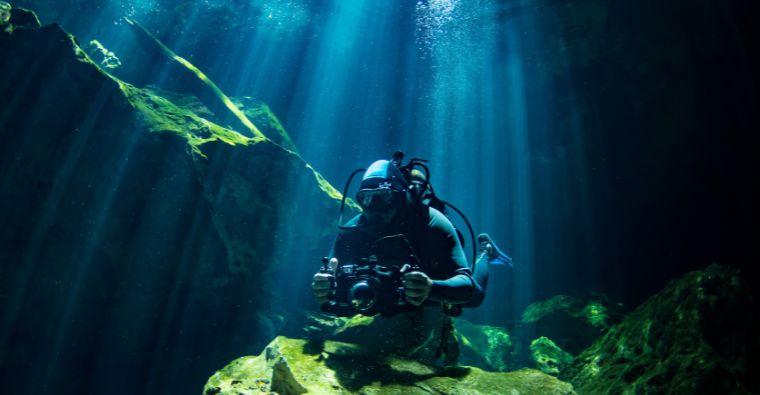
Coral Reefs: The Rainforests of the Sea
Coral reefs are often referred to as the rainforests of the sea due to their incredible biodiversity. These underwater structures, built by tiny coral polyps, provide habitat for a multitude of marine species, including fish, invertebrates, and algae. Reefs are vital for the health of the ocean, acting as nurseries for many fish species and providing essential services such as coastal protection and tourism opportunities. However, coral reefs are increasingly threatened by climate change, pollution, and overfishing, making their conservation crucial.
Marine Life Adaptations
The ocean is home to an array of creatures that have evolved remarkable adaptations to survive in their environments. From the vibrant hues of the parrotfish to the bioluminescence of deep-sea organisms, these adaptations are vital for survival. For instance, the camouflage of the octopus allows it to blend seamlessly into its surroundings, while the electric eel can generate shocks to hunt prey. Understanding these adaptations not only fascinates scientists but also highlights the resilience and complexity of marine life.
The Ocean’s Food Web
The ocean’s food web is a complex network of interactions between marine organisms. At the base are microscopic plankton, which are eaten by small fish and invertebrates. These, in turn, serve as prey for larger fish, marine mammals, and sharks. Apex predators, such as killer whales and great white sharks, sit at the top of this food web. Disruptions in this delicate balance, due to overfishing or pollution, can have cascading effects on the entire ecosystem, affecting everything from fish stocks to marine mammal populations.
Underwater Ecosystems and Habitats
Underwater ecosystems are incredibly diverse, each with unique characteristics and inhabitants. Kelp forests, for example, are dense underwater forests that provide shelter and food for various marine species. Seagrass beds, often found in shallow coastal areas, support marine life and help stabilize sediments. Deep-sea vents, located on the ocean floor, are home to extremophiles that thrive in harsh conditions, showcasing life’s adaptability in extreme environments. Each of these habitats plays a critical role in maintaining ocean health and biodiversity.
The Impact of Climate Change
Climate change poses a significant threat to underwater nature. Rising ocean temperatures contribute to coral bleaching, where corals lose their vibrant colors and become stressed, often leading to their death. Ocean acidification, caused by increased CO2 levels, affects the ability of marine organisms to form shells and skeletons, disrupting marine ecosystems. Additionally, melting ice caps and rising sea levels impact coastal habitats and species. Addressing these challenges requires global efforts to reduce greenhouse gas emissions and protect vulnerable marine environments.
Marine Conservation Efforts
Conservation efforts are crucial to preserving underwater nature. Marine protected areas (MPAs) play a vital role in safeguarding critical habitats and allowing ecosystems to recover. Initiatives such as reducing plastic pollution, enforcing sustainable fishing practices, and restoring damaged reefs are essential for maintaining ocean health. Public awareness and education about the importance of marine conservation can also drive positive change and support for these efforts.
The Role of Marine Plants
Marine plants, including seaweeds and seagrasses, are fundamental to ocean ecosystems. Phytoplankton, the microscopic plants that drift in the ocean, are a primary source of oxygen and play a critical role in the global carbon cycle. Larger seaweeds, such as kelp, provide food and habitat for many marine species and contribute to coastal protection by reducing wave energy. Protecting these plants is essential for maintaining the overall health of marine environments.
Deep-Sea Exploration
The deep sea remains one of the least explored and most enigmatic regions of our planet. Exploration efforts have revealed astonishing creatures and ecosystems that thrive in complete darkness and extreme pressure. Discoveries such as giant squid, deep-sea corals, and hydrothermal vent communities have expanded our understanding of life’s resilience. Continued exploration and research are vital for uncovering the secrets of this mysterious frontier and ensuring the protection of its unique inhabitants.
The Relationship Between Marine Life and Human Activity
Human activities, such as fishing, pollution, and coastal development, have profound effects on underwater nature. Overfishing depletes fish stocks and disrupts marine ecosystems, while pollution from plastics and chemicals harms marine life and habitats. Coastal development can lead to habitat loss and degradation. Addressing these issues requires coordinated efforts to implement sustainable practices, reduce pollution, and protect critical habitats.
Bioluminescence in the Ocean
Bioluminescence, the production of light by marine organisms, is a captivating phenomenon found in the ocean. Many deep-sea creatures, such as anglerfish and jellyfish, use bioluminescence for communication, camouflage, or attracting prey. This natural light show not only illuminates the dark depths but also provides insights into the behaviors and adaptations of marine species.
underwater nature is a realm of immense beauty and complexity, offering invaluable insights into the interconnectedness of life on Earth. Protecting and understanding this vibrant world is essential for maintaining the health of our oceans and the planet. Through conservation efforts, scientific research, and public awareness, we can ensure that future generations continue to marvel at the wonders of underwater nature.