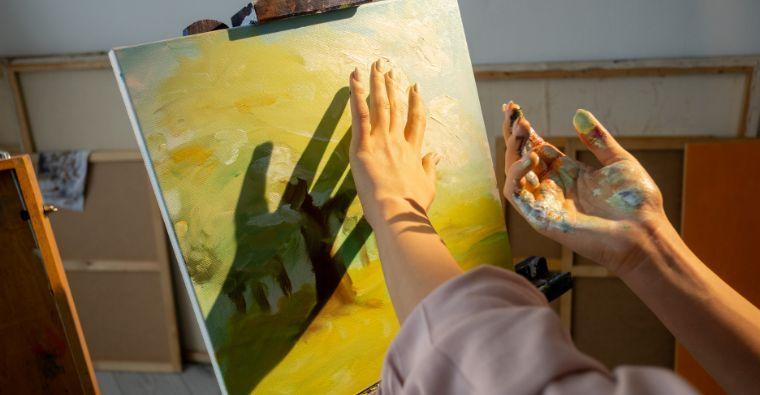
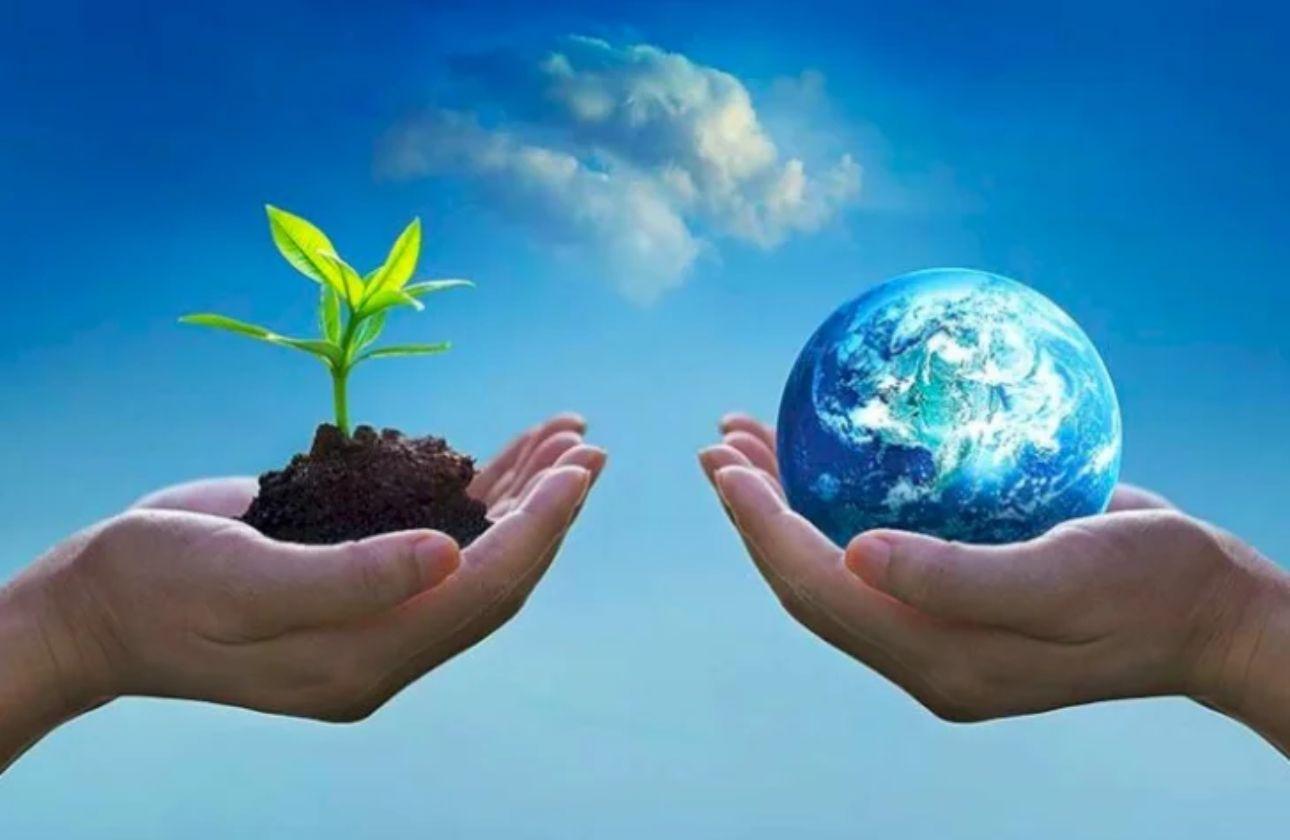
From the vibrant colors of a sunset to the intricate patterns of leaves, nature provides an endless palette for artists to explore. Many renowned artists have drawn inspiration from the landscapes, flora, and fauna around them. For example, the Impressionists, such as Claude Monet and Pierre-Auguste Renoir, captured the fleeting moments of light and color in their outdoor paintings, celebrating the beauty of nature in their work. Monet’s garden in Giverny became a living canvas, inspiring countless masterpieces that continue to resonate with viewers today.
Similarly, poets and writers often find solace and inspiration in nature. The works of William Wordsworth, Ralph Waldo Emerson, and Mary Oliver reflect deep connections with the natural world, highlighting the profound impact that nature can have on the human spirit. These literary figures remind us of the beauty and tranquility that can be found in the outdoors, encouraging readers to appreciate and connect with the environment.
The Therapeutic Effects of Nature
Beyond its aesthetic appeal, nature also offers therapeutic benefits that can enhance creativity. Studies have shown that spending time in natural settings reduces stress, improves mood, and boosts cognitive function. The concept of “nature therapy” or “ecotherapy” emphasizes the mental health benefits of immersing oneself in natural environments.
When individuals engage with nature, whether through hiking, gardening, or simply taking a walk in the park, they often experience a sense of calm and clarity that can facilitate creative thinking. Nature’s tranquility allows the mind to wander freely, fostering new ideas and perspectives that might otherwise remain dormant in a bustling urban environment.
Cultivating Creativity through Outdoor Experiences
To harness the creative potential of nature, individuals can incorporate outdoor activities into their artistic practices. Here are some ways to inspire creativity through nature:
Outdoor Sketching or Painting: Grab a sketchbook or canvas and head to a nearby park, beach, or garden. Allow the scenery to inspire your artistic expression. Experiment with different techniques and materials, such as watercolors or pastels, to capture the essence of the natural world.
Nature Journaling: Start a nature journal to document your observations, thoughts, and feelings about the outdoors. Writing about your experiences in nature can enhance your connection to the environment and serve as a valuable resource for future creative projects.
Photography: Explore the world of photography by capturing the beauty of nature through your lens. Experiment with different lighting, angles, and compositions to create stunning images that reflect your artistic vision.
Outdoor Workshops: Participate in workshops that combine nature and art, such as plein air painting, photography hikes, or botanical illustration classes. These experiences can provide guidance and inspiration while allowing you to connect with like-minded individuals.
Mindful Nature Walks: Practice mindfulness during nature walks by focusing on your surroundings. Pay attention to the sounds, colors, textures, and scents of the environment. This heightened awareness can spark new ideas and creative insights.
The connection between nature and art is a powerful and transformative relationship that enriches our creative endeavors. By immersing ourselves in the beauty of the outdoors, we can tap into a wellspring of inspiration that nourishes our artistic spirit. Whether through painting, writing, photography, or simply being present in nature, we can cultivate a deeper appreciation for the world around us and unlock new realms of creativity. As we embrace the beauty of nature, we not only enrich our lives but also contribute to a greater understanding and appreciation of the environment that sustains us.