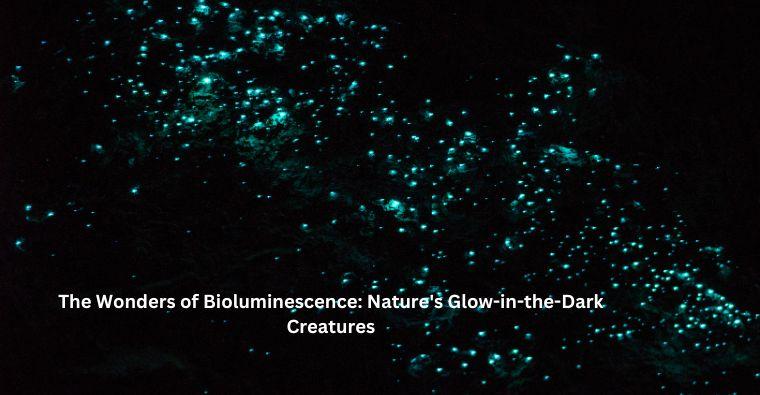
What is Bioluminescence?
Bioluminescence is a form of chemiluminescence where light is produced through a chemical reaction within living organisms. Unlike fluorescence, where light is absorbed and then emitted, bioluminescence involves a direct chemical process. The reaction occurs in specialized cells or organelles and typically involves a light-emitting molecule called luciferin and an enzyme known as luciferase.
The Chemical Reaction
The basic chemical reaction for bioluminescence can be summarized as follows:
- Luciferin: The light-emitting molecule that, when oxidized, produces light.
- Luciferase: The enzyme that catalyzes the oxidation of luciferin.
- Oxygen: Required for the oxidation process.
- ATP: In some organisms, adenosine triphosphate (ATP) provides the energy needed for the reaction.
When luciferin is oxidized by luciferase in the presence of oxygen, it produces light, often in the visible spectrum. This light emission can vary in color depending on the specific type of luciferin and luciferase involved.
Examples of Bioluminescent Organisms
1. Fireflies (Lampyridae)
One of the most iconic examples of bioluminescence, fireflies, or lightning bugs, use their glow primarily for mating displays. The light patterns produced by fireflies vary among species and are used to attract potential mates. Each species has a unique flash pattern, which is vital for successful communication and reproduction.
Fireflies produce light in their lower abdomen through specialized cells called photocytes. The light is emitted through a process where luciferin is oxidized by luciferase, producing a cool, greenish-yellow glow.
2. Jellyfish (Cnidaria)
Jellyfish are among the most mesmerizing bioluminescent creatures of the deep sea. Their bioluminescence can serve various purposes, including predation and defense. For example, the Aequorea victoria jellyfish produces a blue-green light, which can be used to attract prey or startle predators.
In some jellyfish species, bioluminescence is produced by photocytes in the tentacles or bell. The light may be used to illuminate the surrounding water or create dazzling displays that confuse or deter predators.
3. Fungi (Mycena)
Certain fungi, such as those in the genus Mycena, are bioluminescent. This phenomenon, known as "foxfire" or "glow mushrooms," is often seen in decaying wood or forest floors. The glowing is thought to attract insects that help disperse the fungal spores.
In Mycena fungi, the bioluminescence occurs due to the oxidation of luciferin in the presence of luciferase. The light emitted is typically a soft green glow that can be visible in dark forest environments.
4. Deep-Sea Creatures
The deep sea is home to a diverse array of bioluminescent organisms. These creatures use bioluminescence for various purposes, including camouflage, communication, and predation. Examples include:
- Anglerfish: Known for the bioluminescent lure that protrudes from their heads, used to attract prey in the dark depths of the ocean.
- Firefly Squid: These squid use bioluminescence for counter-illumination, which helps them blend into the faint light from above and avoid predators.
- Lanternfish: With light-producing organs called photophores, lanternfish use bioluminescence to communicate and navigate in the pitch-black waters of the deep sea.
The Significance of Bioluminescence
Bioluminescence has evolved independently in various organisms and serves multiple functions, including:
- Attracting Mates: As seen in fireflies, light patterns play a crucial role in mating rituals.
- Luring Prey: Deep-sea creatures like anglerfish use bioluminescence to attract prey.
- Defense Mechanisms: Some organisms use light to startle or confuse predators, providing them with an escape opportunity.
- Camouflage: Counter-illumination, as seen in lanternfish, helps organisms blend into their surroundings.
Bioluminescence is a breathtaking example of nature's ingenuity, revealing the complexity and beauty of life on Earth. From the glowing trails of fireflies to the ethereal light of deep-sea creatures, bioluminescence showcases the fascinating interplay between biology and chemistry. Understanding and appreciating these natural light displays not only enhances our knowledge of the natural world but also inspires wonder and admiration for the myriad forms of life that share our planet.