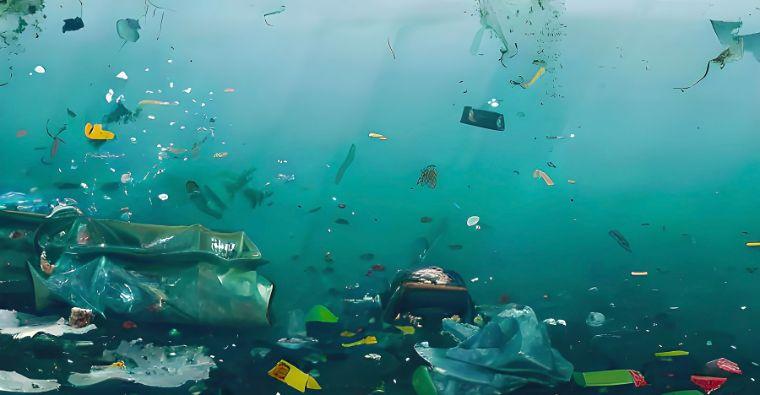
The Scale of Plastic Pollution
Plastic is ubiquitous in our daily lives, from single-use bags and bottles to packaging materials and fishing gear. It's estimated that over 300 million tons of plastic are produced globally each year, and a significant portion ends up in the ocean. This waste can take hundreds of years to decompose, leading to a build-up of debris that harms marine habitats.
Impact on Marine Life
Ingestion of Plastic: Many marine animals, including fish, seabirds, and marine mammals, mistakenly ingest plastic debris, mistaking it for food. This can lead to malnutrition, intestinal blockage, and even death. Studies show that over 90% of seabirds have plastic in their stomachs, a grim indicator of how pervasive plastic pollution has become.
Entanglement: Marine animals can become entangled in discarded fishing nets, plastic bags, and six-pack rings, which can cause severe injuries or drowning. Species such as sea turtles, seals, and whales are particularly vulnerable to this threat.
Microplastics: As plastic waste breaks down into smaller particles, known as microplastics, it becomes even more insidious. These tiny pieces can be ingested by a wide range of marine life, from plankton to larger fish, entering the food chain and potentially affecting human health as well. Research has found microplastics in sea salt, fish, and even drinking water.
Chemical Contaminants: Plastics can absorb harmful chemicals from the ocean, such as pesticides and heavy metals. When marine animals ingest these contaminated plastics, it can lead to toxic accumulation in their bodies, impacting their health and reproduction.
The Importance of Conservation Efforts
Addressing plastic pollution is vital for the health of our oceans and the creatures that inhabit them. Here are some essential conservation strategies:
Reduce Single-Use Plastics: By minimizing our use of single-use plastic items, we can significantly decrease the amount of plastic waste that ends up in the ocean. Choosing reusable alternatives and supporting bans on plastic bags and straws can make a difference.
Participate in Clean-Up Initiatives: Joining local beach clean-ups or organizing community events to remove plastic waste from coastal areas can help mitigate the problem. These activities not only clean up the environment but also raise awareness about the issue.
Advocate for Policy Change: Supporting legislation aimed at reducing plastic production and improving waste management can lead to significant changes. Advocating for stronger regulations on plastic production, recycling programs, and public awareness campaigns is essential for long-term solutions.
Support Sustainable Practices: Choosing sustainably sourced seafood and products from companies that prioritize eco-friendly practices can help reduce the demand for plastic and its impact on marine ecosystems.
Educate and Raise Awareness: Sharing information about the impact of plastic pollution on marine life can inspire others to take action. Educating friends, family, and local communities can create a ripple effect of change.