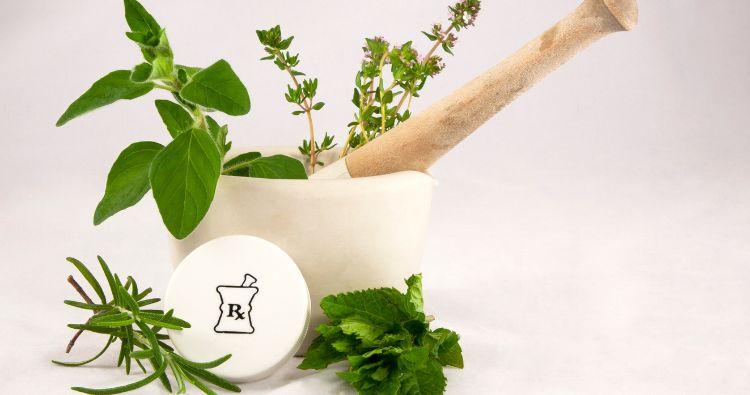
From ancient herbal traditions to modern scientific research, these plants continue to play a vital role in healthcare. Known as "nature’s pharmacy," medicinal plants offer a diverse range of remedies that can address various health conditions.
Echinacea (Echinacea purpurea)
Echinacea is widely known for its immune-boosting properties. It is commonly used to prevent or treat colds and respiratory infections.
Benefits
Immune Support: Echinacea stimulates the immune system, enhancing the body’s ability to fight infections.
Anti-Inflammatory: It has anti-inflammatory properties that can help reduce symptoms of arthritis and other inflammatory conditions.
Wound Healing: Echinacea is used topically to promote wound healing and reduce inflammation.
Usage
Echinacea can be consumed as a tea, tincture, or in supplement form. For topical use, it is applied in ointments or creams.
Turmeric (Curcuma longa)
Turmeric, often used as a spice in cooking, is renowned for its powerful anti-inflammatory and antioxidant properties.
Benefits
Anti-Inflammatory: The active compound curcumin helps reduce inflammation and can alleviate symptoms of arthritis and other inflammatory diseases.
Antioxidant: Turmeric protects cells from damage caused by free radicals.
Digestive Health: It aids in digestion and may help manage symptoms of digestive disorders like irritable bowel syndrome (IBS).
Usage
Turmeric can be incorporated into the diet as a spice or taken in supplement form. It is also used in topical preparations for its anti-inflammatory effects.
Peppermint (Mentha × piperita)
Peppermint is a versatile herb known for its soothing effects on the digestive system and its refreshing scent.
Benefits
Digestive Relief: Peppermint alleviates symptoms of indigestion, nausea, and irritable bowel syndrome (IBS).
Pain Relief: Its menthol content provides a cooling sensation and can help relieve headaches and muscle pain.
Respiratory Health: Peppermint can help relieve congestion and ease symptoms of respiratory conditions.
Usage
Peppermint can be consumed as tea, used in essential oil form for aromatherapy, or applied topically in ointments.
Ginger (Zingiber officinale)
Ginger is a widely used spice and medicinal plant with a long history of use in treating nausea and digestive issues.
Benefits
Anti-Nausea: Ginger effectively reduces nausea and is commonly used for motion sickness and morning sickness during pregnancy.
Digestive Aid: It improves digestion and helps relieve bloating and gas.
Anti-Inflammatory: Ginger contains compounds that can help reduce inflammation and pain.
Usage
Ginger can be consumed fresh, in tea, or in supplement form. It is also used in cooking and as a spice.
Lavender (Lavandula angustifolia)
Lavender is well-known for its calming effects and is used both for its aromatic qualities and its therapeutic benefits.
Benefits
Stress Relief: Lavender essential oil is widely used in aromatherapy to reduce stress and anxiety.
Sleep Aid: Lavender can help improve sleep quality and is often used to alleviate insomnia.
Skin Health: Lavender has antimicrobial properties and can be used to treat minor burns, insect bites, and other skin conditions.
Usage
Lavender is used in essential oils, teas, and topical preparations. It can be added to bathwater or used in aromatherapy diffusers.
Aloe Vera (Aloe barbadensis miller)
Aloe vera is renowned for its soothing gel, which has a range of applications for skin health and healing.
Benefits
Skin Healing: Aloe vera gel accelerates wound healing and soothes burns, cuts, and insect bites.
Moisturizer: It is a natural moisturizer that can help treat dry skin.
Digestive Health: Aloe vera juice can aid in digestion and help manage symptoms of gastrointestinal disorders.
Usage
Aloe vera gel is applied topically to the skin, while aloe vera juice is consumed for internal benefits.
Ginseng (Panax ginseng)
Ginseng is a revered herb in traditional medicine known for its adaptogenic properties and ability to enhance overall well-being.
Benefits
Energy and Vitality: Ginseng is used to boost energy levels, improve mental clarity, and enhance physical endurance.
Immune Support: It helps strengthen the immune system and may improve resistance to illness.
Stress Reduction: Ginseng has adaptogenic properties that help the body cope with stress.
Usage
Ginseng is available in various forms, including teas, capsules, and extracts.
Medicinal plants have been a cornerstone of traditional medicine for centuries and continue to be a valuable resource for promoting health and wellness. From boosting immunity to alleviating stress and improving digestion, these natural remedies offer diverse benefits. However, it’s essential to use medicinal plants responsibly and consult healthcare professionals before incorporating them into your regimen, especially if you have underlying health conditions or are taking other medications. Embrace the power of nature’s pharmacy and discover the healing potential of medicinal plants.