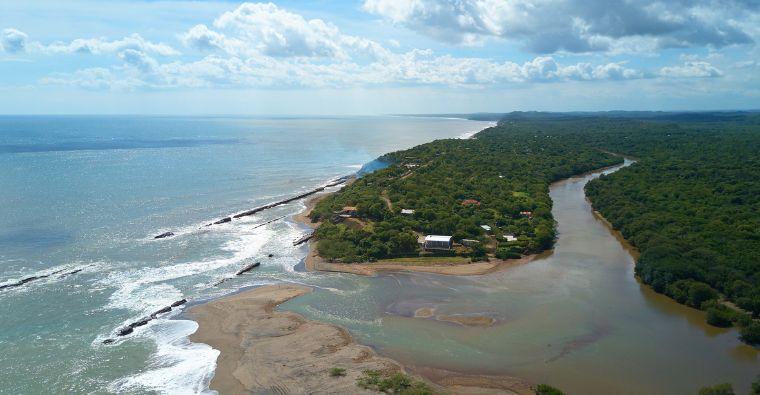
These two elements shape our environment, influence our weather patterns, and provide a sense of tranquility and connection to the natural world. Exploring the relationship between water and wind reveals the intricate ways they interact and affect both the earth and our well-being.
The Power and Beauty of Water
Water is one of the most vital elements on Earth, covering over 70% of the planet's surface. It is essential for all forms of life, serving as a crucial resource for drinking, agriculture, industry, and recreation. The presence of water in rivers, lakes, oceans, and even in the atmosphere, influences weather patterns and climate systems.
Rivers and Lakes: Freshwater bodies like rivers and lakes are not only sources of drinking water but also provide habitats for a diverse range of flora and fauna. They support ecosystems, sustain agriculture, and offer recreational opportunities such as fishing, boating, and swimming.
Oceans: Oceans are the lifeblood of the planet, regulating climate and weather patterns. They absorb and distribute heat around the globe, drive the water cycle, and support marine life. The vastness and depth of the oceans also inspire awe and wonder, drawing people to their shores for solace and adventure.
Rain and Snow: Precipitation in the form of rain and snow is vital for replenishing freshwater supplies, supporting plant growth, and maintaining natural landscapes. Rain nourishes crops and fills reservoirs, while snow provides a seasonal blanket that slowly melts, feeding rivers and lakes.
The Influence of Wind
Wind, created by the uneven heating of the Earth's surface by the sun, is another powerful natural force. It shapes landscapes, influences weather, and plays a critical role in the dispersion of seeds and pollen, aiding in plant reproduction.
Weather and Climate: Wind patterns are essential in determining weather conditions and climate zones. Trade winds, westerlies, and polar easterlies drive weather systems, influencing temperature, humidity, and precipitation. Winds also transport heat from the equator to the poles, balancing global temperatures.
Landscapes: Wind erosion and deposition shape various landforms, from sand dunes in deserts to sculpted rock formations. Over time, wind can wear down mountains and create unique geological features, contributing to the Earth's dynamic landscape.
Renewable Energy: Wind is harnessed as a renewable energy source through wind turbines, providing clean and sustainable electricity. The growth of wind farms worldwide reflects the increasing importance of wind energy in reducing reliance on fossil fuels and mitigating climate change.
The Harmonious Interaction of Water and Wind
The interaction between water and wind is evident in various natural phenomena that captivate and influence us.
Waves: Wind blowing over the surface of the ocean creates waves, which can travel great distances. These waves shape coastlines, create surfable breaks, and contribute to the dynamic nature of coastal environments. The sound of waves crashing on the shore is also known to have a calming effect on the human mind.
Storms: Wind and water combine to form powerful storms, including hurricanes, typhoons, and cyclones. These storms can have devastating effects, but they also play a role in redistributing heat and moisture around the planet, impacting global weather patterns.
Evaporation and Precipitation: Wind enhances the process of evaporation, where water is converted from liquid to vapor and rises into the atmosphere. This vapor eventually cools and condenses to form clouds, leading to precipitation. This cycle is fundamental to sustaining life on Earth.
The Therapeutic Connection to Water and Wind
Many people find a deep sense of peace and relaxation in the presence of water and wind. The sound of waves, the sight of a flowing river, or the feeling of a gentle breeze can have therapeutic effects, reducing stress and promoting mental well-being.
Water Therapy: Practices like hydrotherapy, which involve the use of water for pain relief and treatment, have been used for centuries. Activities such as swimming, soaking in hot springs, or simply listening to the sound of water can help alleviate stress and improve physical health.
Wind and Mindfulness: The sensation of wind against the skin or the rustling of leaves in the wind can enhance mindfulness and connection to nature. Being outdoors in windy conditions can invigorate the senses and provide a refreshing break from the confines of indoor environments.
Water and wind are elemental forces that shape our world and profoundly influence our lives. Their interactions create breathtaking natural phenomena, drive weather patterns, and support ecosystems. Beyond their physical impact, water and wind also offer therapeutic benefits, connecting us to the natural world and promoting a sense of peace and well-being. Embracing and understanding the connection to these elements can deepen our appreciation for the environment and inspire us to protect and cherish our planet.