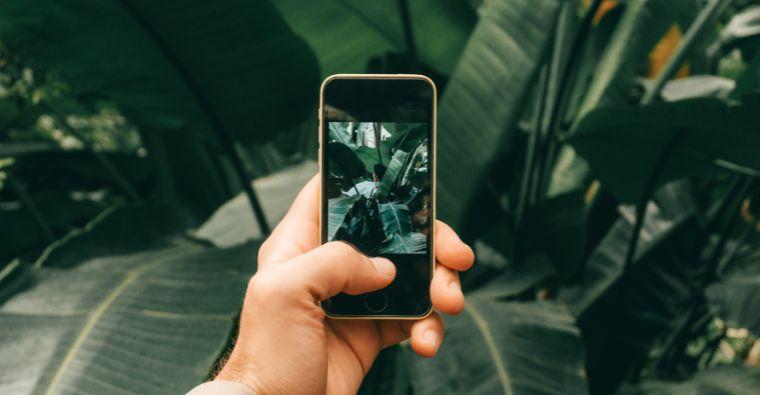
Understand Your Camera Settings
While many smartphones have automatic settings, understanding your camera's features can elevate your photography. Explore options such as:
Exposure: Adjusting exposure can help you control how light or dark your photo appears. Tap on the screen where you want to focus and slide up or down to adjust exposure.
Focus: Use tap-to-focus to ensure your subject is sharp and clear. Most smartphones allow you to adjust the focus point by tapping on the screen.
Grid Lines: Enable grid lines to follow the rule of thirds, which helps in composing balanced and visually appealing images.
Utilize Natural Light
Natural light is one of the most effective tools for capturing stunning photos. Here are some tips to make the most of it:
Golden Hour: The golden hour, shortly after sunrise or before sunset, provides soft, warm lighting that enhances the beauty of your photos.
Avoid Harsh Midday Sun: If you’re shooting in bright sunlight, look for shaded areas to reduce harsh shadows and overexposed highlights.
Experiment with Backlighting: Shooting with the light behind your subject can create a beautiful silhouette effect, adding depth and drama to your photos.
Composition Matters
Good composition can significantly impact the quality of your photographs. Consider these techniques:
Rule of Thirds: Position your subject along the grid lines or at their intersections to create a more dynamic and engaging image.
Leading Lines: Use natural lines (like roads or pathways) to lead the viewer's eye toward the main subject, creating a sense of depth.
Framing: Use elements in your environment, such as doorways or branches, to frame your subject and draw attention to it.
Experiment with Angles and Perspectives
Don’t be afraid to explore different angles and perspectives to create unique images:
Get Low: Shooting from a low angle can make your subject appear more prominent and powerful.
Bird’s Eye View: A high-angle shot can provide a new perspective and capture the environment surrounding your subject.
Tilted Shots: Try tilting your camera slightly for a creative effect, often referred to as a "Dutch angle," to add interest to your composition.
Use Editing Apps
Post-processing is an essential part of smartphone photography. Utilize editing apps to enhance your photos:
Adjust Brightness and Contrast: Tweaking these settings can significantly improve the overall look of your image.
Crop and Straighten: Cropping out distractions and straightening tilted images can make your composition stronger.
Filters and Presets: Experiment with different filters and presets to give your photos a unique look. However, use them sparingly to maintain a natural appearance.
Focus on Details
Sometimes, the beauty lies in the details. Don’t hesitate to capture close-up shots of textures, patterns, or small subjects:
Macro Photography: Many smartphones have a macro mode for capturing close-up shots. Use this to photograph flowers, insects, or intricate objects.
Textures and Patterns: Look for interesting textures in your surroundings, such as bark on trees or the surface of a rock, to create visually engaging images.
Practice, Practice, Practice
The key to improving your smartphone photography skills is practice. Take your smartphone with you and capture different subjects, experimenting with various techniques. Review your photos to understand what works and what doesn’t. Over time, you’ll develop a unique style and a better understanding of how to capture stunning images.
Smartphone photography is an accessible and enjoyable way to express creativity and document life’s moments. By understanding your camera settings, utilizing natural light, mastering composition, experimenting with angles, using editing apps, focusing on details, and practicing regularly, you can elevate your photography skills and capture stunning images that showcase your perspective on the world. So grab your smartphone and start shooting—there’s a beautiful story waiting to be captured through your lens!