
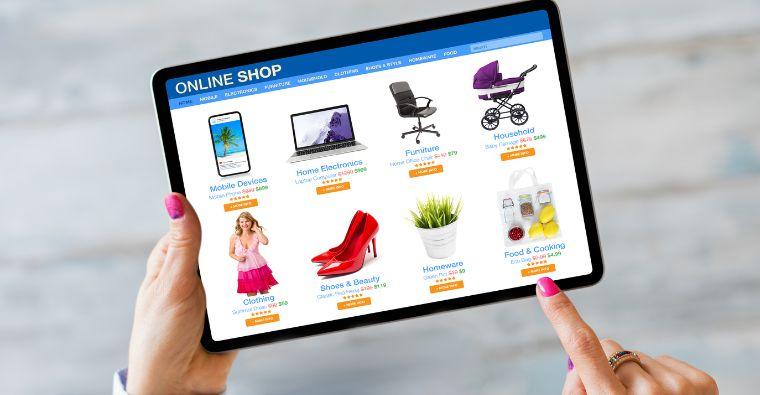
Secrets You Didn’t Know About Growing Your ecommerce Store
Discover simple yet powerful strategies to help your eCommerce store grow, from mobile optimization to leveraging social media and personalized marketing. Learn how to create a seamless shopping experience and boost sales effectively.
Simple Secrets to Help Your ecommerce Store Thrive and Grow
The eCommerce landscape is growing at an unprecedented rate, offering countless opportunities for entrepreneurs and businesses alike. However, despite the potential, many store owners struggle to grow their eCommerce businesses and attract loyal customers. If you’re looking to take your online store to the next level, there are a few secret strategies that can help you unlock your store's growth potential. In this blog post, we’ll share some lesser-known but powerful strategies to help you grow your eCommerce store fast.
1. Optimize Your Website for Mobile Shoppers
More people are shopping on mobile devices than ever before, so ensuring your eCommerce store is mobile-friendly is crucial. If your website isn’t optimized for mobile users, you could be losing out on significant sales. Mobile optimization isn’t just about making sure your site loads properly—it’s about creating an experience that’s as seamless on a smartphone as it is on a desktop. Focus on responsive design, fast loading times, and a streamlined checkout process to convert mobile visitors into paying customers.
2. Leverage User-Generated Content (UGC)
User-generated content is a powerful tool to build trust with potential customers. By showcasing reviews, photos, and videos submitted by your customers, you create authentic social proof that encourages new shoppers to make a purchase. Encourage your customers to share their experiences on social media or directly on your website. Offering incentives like discounts or free products in exchange for user-generated content is a great way to motivate your customers to participate.
3. Offer Personalization to Enhance Customer Experience
Personalization is no longer a luxury; it’s a necessity for growing your eCommerce store. Customers are looking for unique shopping experiences, and offering personalized recommendations can significantly improve their buying journey. By utilizing data on previous purchases, browsing behavior, and preferences, you can suggest products that are more relevant to each individual customer. Personalized email campaigns, tailored offers, and product suggestions based on past behavior can create a more engaging shopping experience and drive higher conversions.
4. Master the Art of Email Marketing
Email marketing remains one of the most effective ways to connect with your customers and drive sales. But it’s important to go beyond basic newsletters. The key to successful email marketing is delivering relevant content that speaks directly to your audience’s needs. From abandoned cart emails to personalized offers and loyalty program updates, you can engage your customers in a way that drives action. Segment your email list based on customer behavior to send targeted, personalized emails that increase open rates and conversions.
5. Invest in Paid Advertising (But Smartly)
Paid advertising can be an excellent way to reach new customers, but you need to approach it strategically. Platforms like Google Ads, Facebook, and Instagram offer advanced targeting features that allow you to reach the right audience. Instead of casting a wide net, focus your ads on the customers who are most likely to convert. Retargeting ads are particularly effective for eCommerce stores, as they allow you to re-engage people who have previously interacted with your website but haven’t made a purchase.
6. Offer Free Shipping (Or Incentivize It)
Shipping costs are one of the biggest barriers to completing a purchase. Offering free shipping has been shown to increase conversion rates significantly. If you can’t afford to offer free shipping on all orders, consider offering it for orders over a certain amount or as part of a limited-time promotion. Additionally, offering fast or expedited shipping can also incentivize customers to make a purchase. The key is to communicate these shipping options clearly to your potential buyers.
7. Utilize Social Media to Boost Brand Awareness
Social media is more than just a platform for promoting your products—it’s a tool for building relationships with your audience. By engaging with your followers through valuable content, product launches, and behind-the-scenes glimpses of your business, you can humanize your brand and foster a deeper connection with your audience. Regularly posting on platforms like Instagram, Facebook, and Pinterest helps keep your brand top of mind and encourages customers to share your content, helping you reach a wider audience.
8. Track Analytics and Continuously Improve
Data is a goldmine when it comes to growing your eCommerce store. By tracking website analytics, sales data, customer behavior, and marketing performance, you can identify areas for improvement. Tools like Google Analytics, Shopify Analytics, and social media insights provide valuable data to help you make informed decisions about your eCommerce strategies. Regularly analyzing and optimizing your website, marketing campaigns, and customer journey can lead to improved conversion rates, better customer retention, and faster growth.
Growing an eCommerce store requires more than just listing products and waiting for customers to come. By implementing these lesser-known but effective strategies, you can enhance your customer experience, attract more traffic, and boost sales. Whether it’s optimizing your site for mobile, leveraging user-generated content, or mastering email marketing, each step you take brings you closer to growing a successful online business. Start applying these secrets today and watch your eCommerce store thrive!
ecommerce growth, increase sales online, eCommerce marketing, mobile shopping, email marketing strategies, free shipping , personalization eCommerce, social media for eCommerce

Leave a comment
Your email address will not be published. Required fields are marked *