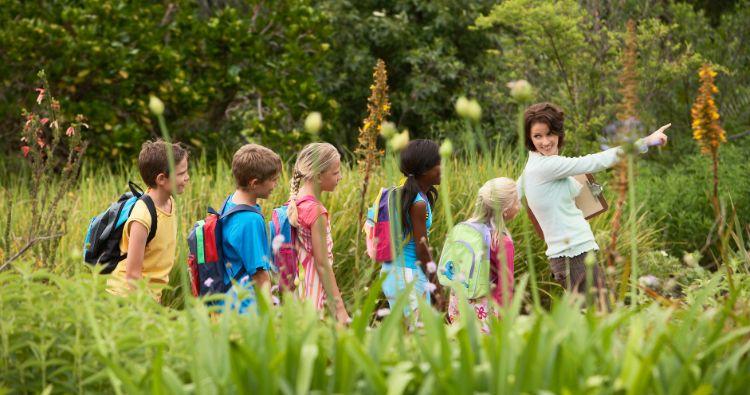
Physical Health Benefits
Increased Physical Activity
Playing outside encourages children to be more active. Whether climbing trees, running, or playing sports, outdoor activities promote exercise, which is vital for maintaining a healthy weight and developing strong bones and muscles.
Boosted Immune System
Exposure to natural environments helps strengthen children’s immune systems. Being outdoors exposes them to various microorganisms, which can enhance their immune response and reduce the likelihood of allergies and asthma.
Improved Coordination and Motor Skills
Nature provides diverse terrains and obstacles that challenge children’s physical abilities. Climbing, jumping, and balancing on natural surfaces help improve their coordination, balance, and overall motor skills.
Mental Health Benefits
Reduced Stress and Anxiety
Nature has a calming effect on the mind. Studies show that spending time outdoors can lower cortisol levels, helping to reduce stress and anxiety. This is especially beneficial for children, who may experience academic and social pressures.
Enhanced Mood
Natural environments can boost mood and overall emotional well-being. The sights, sounds, and smells of nature have a positive impact on mental health, helping to combat feelings of depression and loneliness.
Increased Focus and Concentration
Being in nature can improve attention spans and cognitive function. Exposure to green spaces has been linked to better focus, which is essential for children’s learning and development.
Social Development
Encouragement of Teamwork and Cooperation
Outdoor play often involves group activities that foster teamwork. Children learn to communicate, negotiate, and work together, developing essential social skills.
Building Friendships
Nature provides an ideal setting for children to interact with peers. Outdoor play encourages friendships to blossom, allowing children to form lasting bonds through shared experiences.
Conflict Resolution Skills
Playing in nature can sometimes lead to conflicts over space or resources. Navigating these situations teaches children how to resolve disagreements and develop conflict resolution skills.
Cognitive Development
Stimulating Curiosity and Creativity
Nature is a boundless source of inspiration. Exploring the outdoors encourages children to ask questions, investigate their surroundings, and use their imaginations, fostering creativity and curiosity.
Learning About the Environment
Time spent in nature offers valuable lessons about ecosystems, wildlife, and environmental stewardship. Children become more aware of their surroundings and learn to appreciate the importance of protecting the environment.
Problem-Solving Skills
Nature often presents challenges, such as figuring out how to navigate a trail or build a fort. These experiences enhance critical thinking and problem-solving skills, preparing children for real-world challenges.
Connection to Nature
Fostering a Sense of Belonging
Spending time outdoors helps children connect with the natural world, fostering a sense of belonging to something larger than themselves. This connection can lead to a lifelong appreciation for nature.
Environmental Stewardship
Children who spend time in nature are more likely to develop a sense of responsibility for the environment. This early connection can inspire them to become advocates for conservation and sustainability as they grow.