The Rise of Forest Bathing in 2025
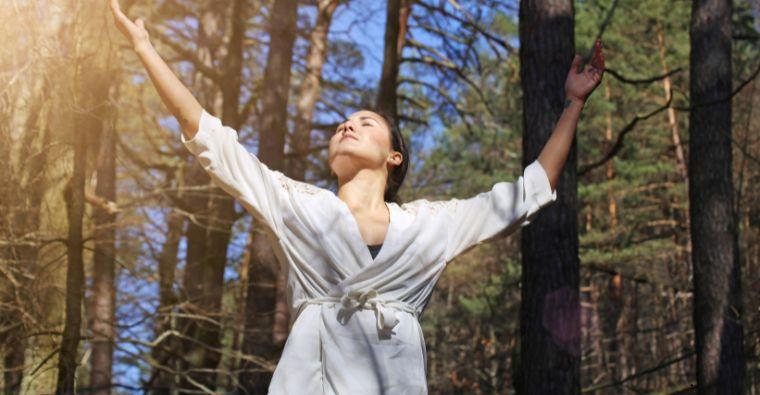
In a world dominated by screens, deadlines, and noise, people in 2025 are turning back to nature for healing—and at the heart of this movement is forest bathing. Known as Shinrin-yoku in Japan, this therapeutic practice isn’t about hiking or exercising in the woods. It's about immersing yourself, slowly and mindfully, in the sights, sounds, and scents of a forest.
What Is Forest Bathing?
Forest bathing is a form of eco-therapy that originated in Japan in the 1980s. It involves walking gently through a forest or natural area while consciously engaging your senses—observing the movement of leaves, listening to the wind, breathing in earthy scents, and even touching tree bark or moss. The goal isn’t physical exertion but psychological restoration.
Why It's Trending in 2025
As digital burnout and mental health challenges rise globally, more people are seeking holistic, non-pharmaceutical ways to unwind and recharge. Forest bathing has gained traction due to its accessibility, affordability, and scientifically backed benefits. With climate awareness also on the rise, it offers a way to reconnect with the planet while healing yourself.
Health Benefits of Forest Bathing
Research supports the health advantages of forest bathing:
Reduced Stress & Anxiety
Spending time among trees lowers cortisol levels, which reduces stress and promotes a calmer mind.
Improved Focus & Creativity
Forest environments reset attention fatigue and improve concentration, especially for those in high-pressure jobs.
Boosted Immunity
Trees emit phytoncides, antimicrobial organic compounds that, when inhaled, help enhance the immune system’s natural killer (NK) cell activity.
Better Sleep & Mood
Natural surroundings help regulate sleep patterns and elevate serotonin levels, resulting in better sleep and overall emotional well-being.
How to Start Forest Bathing
- Find a Green Space: It can be a dense forest, park, or quiet trail.
- Leave Distractions Behind: No phone calls, music, or conversations—this is about mindful presence.
- Engage Your Senses: Focus on touch, sound, sight, smell, and even taste if you’re familiar with edible plants.
- Move Slowly: This isn’t a workout. It’s a slow, contemplative walk—stop often and take it all in.
- Practice Regularly: Even 20–30 minutes weekly can deliver noticeable benefits.
Urban Forest Bathing: A Growing Alternative
Not everyone has access to lush forests, especially in urban areas. In 2025, many cities are adapting by enhancing green spaces, creating tree-lined meditation zones, and offering guided forest bathing experiences in local parks. Virtual nature immersion sessions using VR are also on the rise for those without nearby access.
Forest bathing is more than a wellness trend—it's a lifestyle shift toward reconnection, presence, and healing. In 2025, as the pace of life accelerates, nature is reminding us to slow down. Whether in a forest or a local garden, the cure might just be as simple as stepping outside and taking a breath.